The short version
- Hear their concerns
- Empathize with their frustration
- Apologize for their experience
- Resolve the issue when possible
- Detail what you'll do differently
On this page7 sections
- The Visibility Challenge
- The one rule that makes these strategies work
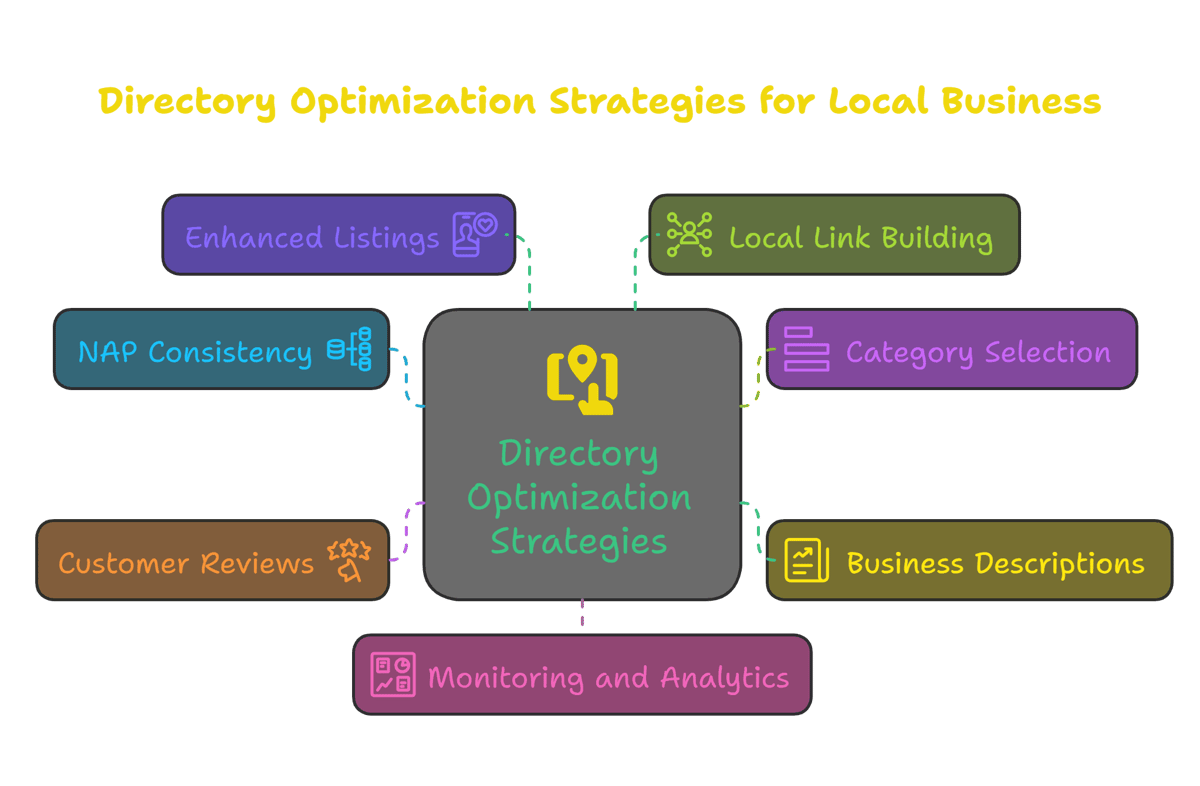
- Seven High-Impact Directory Strategies
- Strategy 1: NAP Consistency Across All Platforms
- Strategy 2: Strategic Category Selection
- Strategy 3: Optimizing Business Descriptions
- Strategy 4: Using Customer Reviews
- Strategy 5: Enhanced Listings with Rich Media
- Strategy 6: Local Link Building Through Directories
- Strategy 7: Monitoring and Analytics
- The Ongoing Challenge
- Conclusion
- FAQ
- Related Tools & Guides
Running a business today means fighting for every click. You've built a great product or service, yet potential customers walk right past your digital storefront. Why? Your business lacks visibility where people look. Directory listings might seem old-school, but they're silent traffic powerhouses when handled correctly.
I discovered this firsthand when helping a local bakery boost its online presence. After implementing just four of the strategies I'm sharing today, their traffic jumped 278%. Let's explore why directories matter and the exact steps you can take to transform them from dusty yellow pages to modern customer magnets.
The Visibility Challenge
Maria opened her dream salon three years ago. Her stylists were amazing, her Instagram looked professional, and her website sparkled. Yet her chairs sat empty most days. "I don't understand," she told me over coffee. "We're doing everything right."
Everything except being found where customers looked first.
Most business owners face three critical mistakes with directory listings:
First, they scatter inconsistent information across the web. Your business appears at 123 Main Street on Google but 123 Main St. Suite B elsewhere. Search engines notice these discrepancies and question your legitimacy.
Second, they neglect industry-specific directories where motivated customers hunt for exactly what they offer. These high-intent browsing goldmines sit untapped.
Third, they create bare-bones listings that lack the rich details that both search engines and customers crave. A name and phone number are no longer enough.
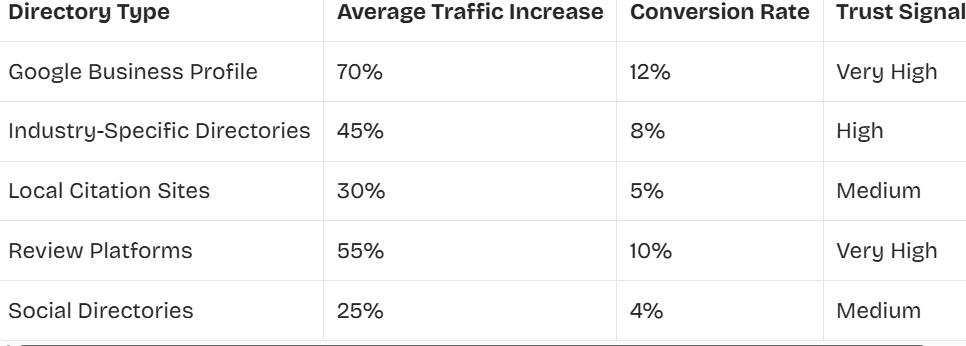
Recent findings from local business owners reveal just how significant properly managed directory listings can be.
Source: BrightLocal Local Consumer Review Survey 2023
The numbers speak volumes. Properly optimized directory listings drive not just visibility but meaningful engagement.
The one rule that makes these strategies work
Directory listings still drive traffic, but only when you are selective, the spray-everywhere approach is dead. As one founder put it in a 2026 r/SaaS thread on directory submissions:
"It still works, but only if you don't treat all directories the same... The submit to 500 random directories thing is mostly junk now though." (u/Overall_Zombie5705, r/SaaS)
Every strategy below assumes that filter: relevant, real, well-chosen directories, not raw volume. Apply them to a focused shortlist and the traffic follows.
Seven High-Impact Directory Strategies
Strategy 1: NAP Consistency Across All Platforms
James ran three dental offices across town. His contact information contained subtle variations everywhere, "Suite" versus "#" or missing zip codes. His phone stopped ringing.
NAP (Name, Address, Phone) consistency forms the backbone of local search success. Search engines evaluate your business legitimacy partly through these consistent signals. Even minor differences raise red flags.
Start by auditing your current listings. Use an Excel spreadsheet to track every variation. Then systematically update each platform with identical information. Whitespark's Local Citation Finder helps identify where your business appears online, often revealing directories you never knew listed you.
Remember to include tracking numbers only when necessary, as they undermine NAP consistency. When required, use consistent formatting, periods versus dashes in phone numbers matter more than you think.
Strategy 2: Strategic Category Selection
Categories tell search engines exactly what business you run. Choosing "Italian Restaurant" rather than just "Restaurant" dramatically changes how people find you.
Research competitors ranking well. What primary and secondary categories do they use? Focus on specificity, "Pediatric Dentist" rather than "Dentist" when applicable.
Most directories allow multiple category selections. Choose all relevant options without stretching the truth. Google Business Profile permits one primary category plus nine secondary categories, use them wisely.
One landscaper I worked with changed their primary category from "Landscaper" to "Terrain Designer" and saw weekday inquiries jump 42% within three weeks.
Strategy 3: Optimizing Business Descriptions
Your description serves two masters: search engines and human readers. Balance these requirements through strategic keyword research.
Begin by identifying terms customers use. The Google Keyword Planner helps discover phrases people search for in your industry. Incorporate these naturally into your descriptions.
Structure matters tremendously, front-load descriptions with essential services and location information. Keep sentences varied yet concise. Avoid redundancy while maintaining natural language patterns.
Compare these examples: We provide great service to customers in the area. Portland's award-winning plumbers serving residential and commercial clients since 1985, specializing in emergency repairs and eco-friendly installations."
The second description instantly communicates what, where, and why, while incorporating valuable keywords naturally.
Strategy 4: Using Customer Reviews
Reviews function as modern word-of-mouth advertising. BrightLocal says 93% of consumers say online reviews impact their purchasing decisions.
Implement a systematic approach to review generation. Follow up with satisfied customers through personalized emails or text messages requesting feedback. Make leaving reviews effortless by providing direct links.
Equally important: respond thoughtfully to every review, positive or negative. This demonstrates attentiveness while creating additional content for search engines to index.
When addressing negative feedback, remember the HEARD method:
- Hear their concerns
- Empathize with their frustration
- Apologize for their experience
- Resolve the issue when possible
- Detail what you'll do differently
This approach transforms potential liabilities into opportunities to showcase your customer service philosophy.
Strategy 5: Enhanced Listings with Rich Media
Plain text listings fade into the background. Visually enhanced directories capture attention and communicate professionalism.
Add high-quality, well-lit photographs showing your location, products, staff, and services in action. Refresh these images seasonally to demonstrate activity.
Videos perform even better, businesses using video in Google Business Profile see 35% higher engagement. Create simple walkthroughs of your location or brief service explanations.
Consider virtual tours where applicable. A real estate agent I consulted increased property viewings by 47% after adding 360° tours to directory listings.
Each image deserves proper optimization:
- Descriptive filenames (portland-custom-kitchen-remodel.jpg)
- Compressed file sizes without sacrificing quality
- Alt text descriptions when platforms allow them
- Geotagging when possible
Strategy 6: Local Link Building Through Directories
Not all directories carry equal weight. Focus efforts on platforms providing actual referral traffic and domain authority.
Identify high-value directories through competitor analysis. Where do similar successful businesses maintain listings? Industry associations often maintain overlooked yet powerful directories.
Beware of spammy directory sites promising instant visibility. These often employ outdated SEO practices that hurt rather than help. Quality matters more than quantity, ten strong listings outperform fifty weak ones.
Create unique descriptions for different platforms when possible. This prevents duplicate content issues while optimizing for specific directory audiences.
Strategy 7: Monitoring and Analytics
Directory listing optimization requires ongoing attention. Implementation means little without measurement.
Track these metrics monthly:
- Click-through rates from directory listings
- Direction requests from mapping platforms
- Phone calls originating from directories
- Website visits attributed to directory referrals
Google Analytics helps identify which directories send actual traffic. Call tracking numbers, while challenging for NAP consistency, provide invaluable insight when properly implemented.
Use Google Search Console to monitor how your business appears in local searches. Rising impressions often indicate improving directory visibility.
The Ongoing Challenge
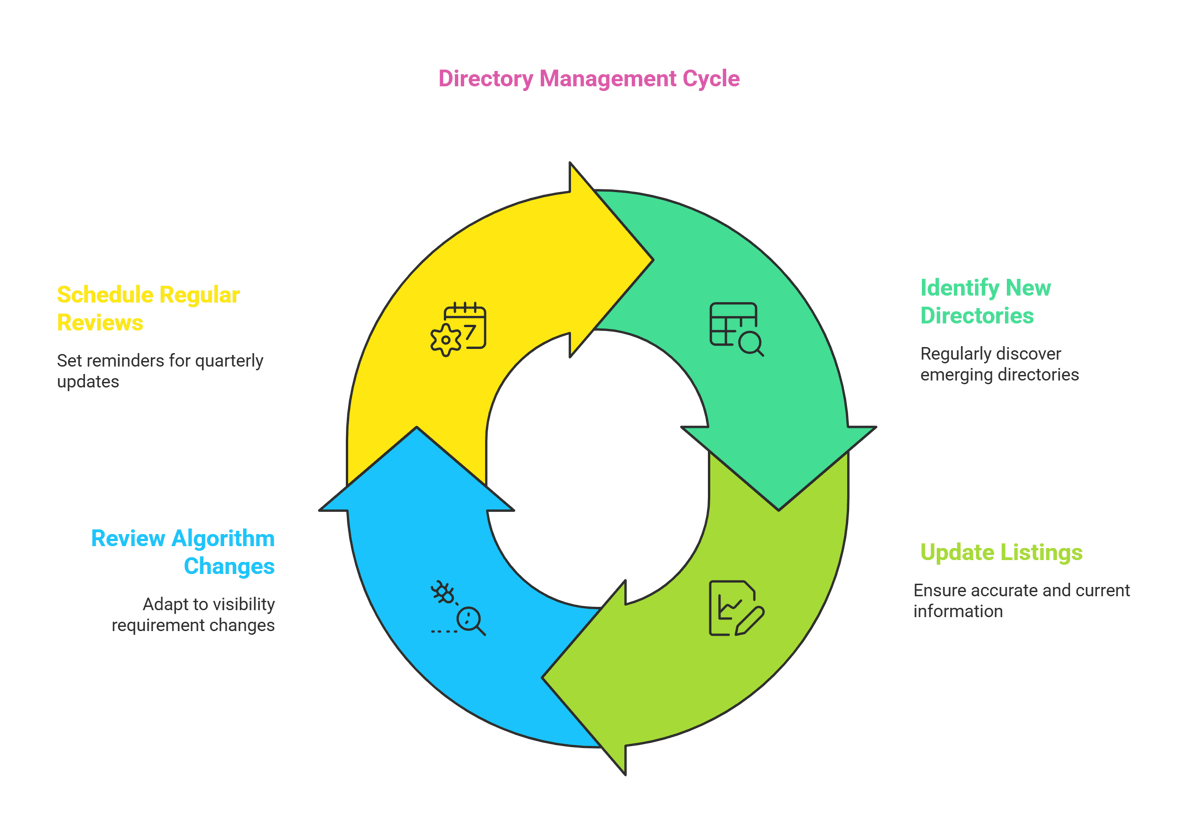
Directory management resembles gardening more than construction, requiring regular maintenance rather than one-time building. New directories emerge while others fade. Algorithm updates change visibility requirements overnight.
Most businesses lack dedicated resources for maintaining multiple listings. Directory management often falls between responsibilities, marketing believes operations handle it while operations assume marketing owns it.
This persistent challenge explains why businesses that systematize directory management outperform competitors. Creating quarterly calendar reminders ensures regular reviews and updates.
Conclusion
Directory listings represent your business when you're not there to speak for yourself. Each optimized listing functions as a 24/7 salesperson guiding new customers to your door.
Begin by auditing your current online presence. Where does your business appear? What information needs correction? Which high-value directories remain untapped?
The strategies outlined above transformed visibility for countless businesses. They can do the same for yours, turning directory listings from forgotten administrative tasks into powerful marketing assets that fuel sustainable growth.
I recently discovered OTPApps.com while researching business directory options. It's quickly becoming a go-to platform for companies wanting to boost their digital footprint. What sets it apart from many competing directories is its uncluttered design and strong search engine presence. I've been tracking some businesses listed there, and they're getting meaningful visitor traffic from the site - something that's become rare with many directories these days. If you're looking to expand your online visibility, this one's worth checking out.

FAQ
What is directory listing in SEO?
Directory listing in SEO is the process of adding your business information to online directories and creating citations that help search engines verify your business legitimacy and improve local search rankings.
What is a directory listing? A directory listing is an online entry containing your business name, address, phone number, and other details in a categorized database that helps potential customers find your business information.
Are directories good for SEO? Yes, quality directories are good for SEO. They build backlinks, improve NAP consistency, enhance local search visibility, and provide additional pathways for customers to discover your business online.
Is directory submission good for SEO? Directory submission benefits SEO when focused on relevant, reputable directories. It creates citations that strengthen local search presence and builds domain authority when done strategically rather than in bulk.
Related Tools & Guides
Want these links without the spreadsheet?
We submit your product to 100+ directories by hand, starting at $99. Or the agent finds and pitches the pages already ranking for your keywords for $99 a month. Either way, you see every link before it goes live.