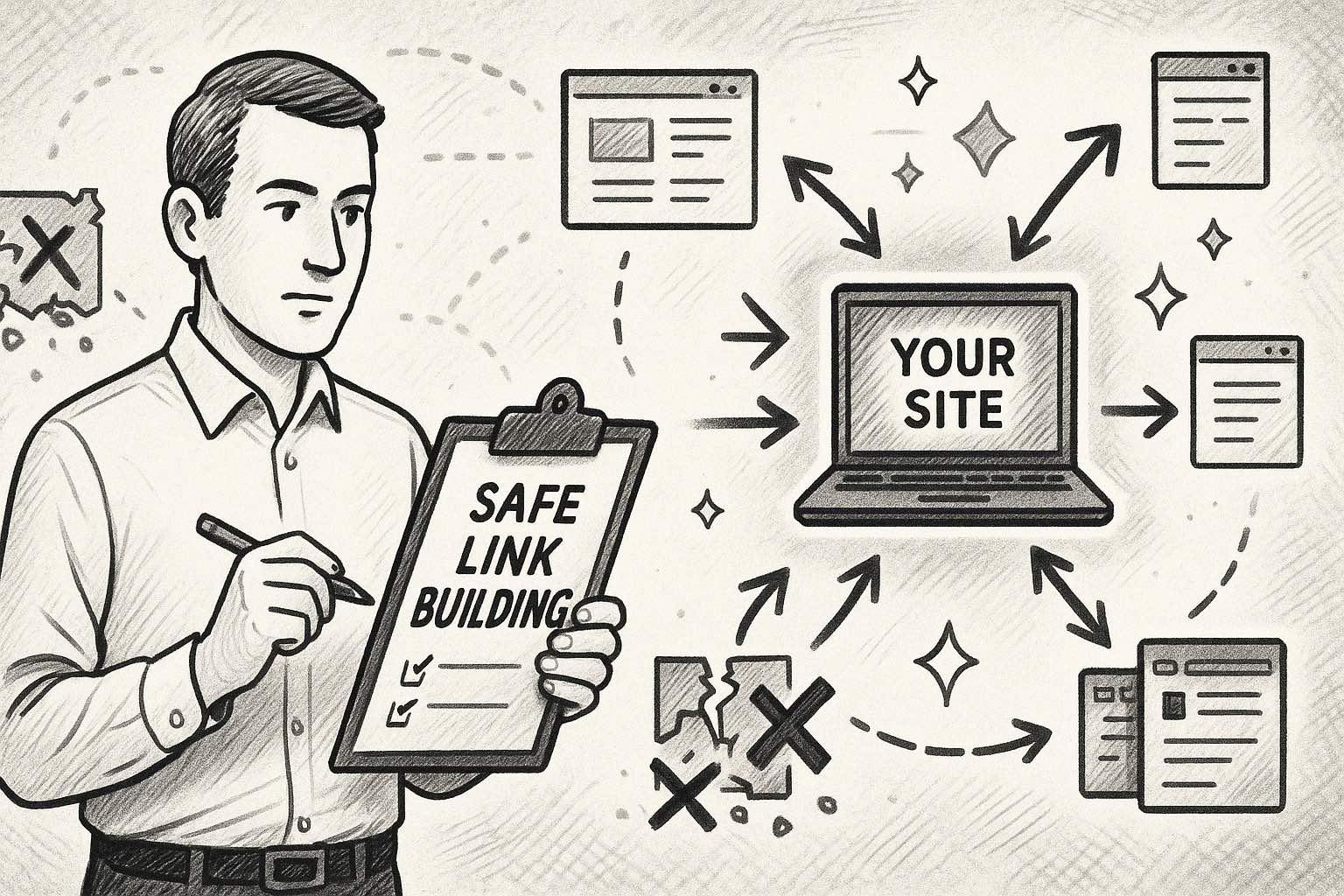
The short version
- Authority: The linking domain has strong metrics, typically DR30+ (Domain Rating), good trust flow, and clean backlink history.
- Traffic: The site receives real organic traffic, not just inflated DR from spammy link wheels.
- Placement: The link is embedded naturally in editorial content, not shoved in a sidebar or footer.
- Uniqueness: It isn’t surrounded by dozens of other outbound links to random websites.
On this page10 sections
- Google’s View on Buying Backlinks Isn’t Black and White
- What Makes a Backlink “High-Quality” in 2026?
- The Real Risk Lies in Buying the Wrong Links
- What experienced SEOs say about buying links (especially cheap ones)
- How to Buy High-Quality Backlinks Without the Risk
- What Kinds of Paid Links Work?
- Tracking ROI After Buying Backlinks
- Final Thoughts
- FAQs
- Related Tools & Guides
Let’s be honest, ranking on Google today isn’t just about great content. You need authority. And in SEO, authority still largely comes down to backlinks. That’s why buying high-quality backlinks is a tempting (and increasingly common) shortcut.
But buying backlinks is risky, right?
Well, yes, and no. If you do it recklessly, it’s a fast track to penalties and wasted money. But if you understand the game, vet your sources, and follow best practices, buying backlinks can safely accelerate your rankings, especially in 2026’s competitive landscape.
Let’s break down how to do it the right way.
Google’s View on Buying Backlinks Isn’t Black and White
Google’s official guidelines make it clear: paying for links that pass PageRank violates their rules. But here’s the catch, those same rules don’t necessarily match what happens in real-world SEO.
Thousands of websites, including some of the internet’s biggest brands, engage in paid link placements in one form or another. Sponsored posts, product mentions, press coverage, and link insertions happen every day, and Google isn’t penalizing every single one.
The truth is, Google isn’t against the idea of money changing hands. What they’re really against is manipulative link behavior, especially when it’s obvious, spammy, or automated at scale.
So, if a link looks natural, comes from a legit website, and adds value to users, it’s unlikely to trigger alarms. Buying backlinks in 2026 isn’t about cheating the system, it’s about working within the gray area strategically.
What Makes a Backlink “High-Quality” in 2026?
Not all backlinks are created equal. A lot of the cheap links you’ll find online will do more harm than good.
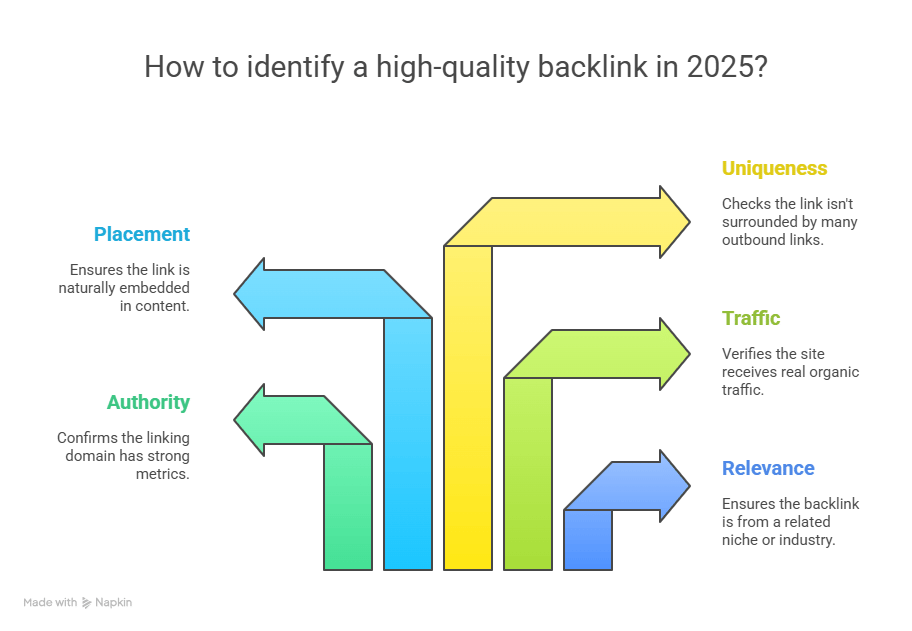
A high-quality backlink in today’s SEO climate has a few defining traits:
-
Relevance: It comes from a website related to your niche or industry.
-
Authority: The linking domain has strong metrics, typically DR30+ (Domain Rating), good trust flow, and clean backlink history.
-
Traffic: The site receives real organic traffic, not just inflated DR from spammy link wheels.
-
Placement: The link is embedded naturally in editorial content, not shoved in a sidebar or footer.
-
Uniqueness: It isn’t surrounded by dozens of other outbound links to random websites.
If the link looks like something a real editor would place, not a bot or link seller, it’s probably safe.
That’s the standard you should aim for when buying. It’s also the benchmark platforms like BacklinkBot use when sourcing vetted link opportunities across real, high-authority sites.
The Real Risk Lies in Buying the Wrong Links
So, how exactly do you buy backlinks the right way? The process starts with just one word: vetting.
You have to diligently analyse every website under consideration for a backlink. Review their domain rating, analyse traffic statistics, check their outbound links, and read the actual content. If the site looks like it is set up only to sell links, then quit it.
Proper placements should be from publishers that have genuine content, an audience, and are found in search. These will be blogs, media sites, industry directories, niche news, and content-centric businesses.
In case you decide to manage the process manually, you are looking at spending hours on outreach, negotiating, and due diligence.
What experienced SEOs say about buying links (especially cheap ones)
The consensus among working SEOs is blunt: the cheap, marketplace end of "buying backlinks" is a money pit, and the only paid links worth anything look nothing like a Fiverr gig. In an r/SEO thread titled "Backlink gigs on Fiverr", the warnings were near-unanimous:
"Stay away from Fivver for backlinks. Stay away from other places like BlackHatWorld packages and UpWork backlink creation services. They are nearly universally garbage... with few, minor exceptions that make finding anything of value truly a waste of time and effort." (u/steffanlv, r/SEO)
Another commenter pointed to the actual mechanism of harm, and the one paid tactic that is defensible:
"Be careful when you buying backlinks, specially from fiver. Pbns? You can easily get penguin penalty from google. The best way is to find someone manually in your niche or something natural like business related magazine and ask to pay for guest post." (u/Madagascar-lord, r/SEO)
That is the honest line this guide draws. "Buying backlinks" in the bulk-marketplace sense is the fast way to a penalty. The only version that survives scrutiny is paying for genuine editorial placement (a real guest post or sponsorship on a relevant, trafficked site, disclosed appropriately), which is closer to content marketing than to link buying. The steps below are about staying on that side of the line.
How to Buy High-Quality Backlinks Without the Risk
How do you go about buying backlinks the right way? It starts with one word: vetting.
You need to carefully evaluate every site you consider for a backlink. Check their domain rating, look at traffic data, review their outbound links, and read the actual content. If the site looks like it exists just to sell links, walk away.
Legitimate placements should come from websites that publish real content, have an audience, and show up in search. That means blogs, media sites, industry directories, niche news platforms, and content-driven businesses.
If you're managing this process manually, expect to spend hours on outreach, negotiation, and due diligence.
Or, if you’d rather not spend half your week sifting through websites, tools like BacklinkBot help automate this vetting process. It finds reputable domains in your niche, checks traffic quality, reviews historical link behaviour, and even facilitates the outreach and placement, without shady shortcuts.
What Kinds of Paid Links Work?
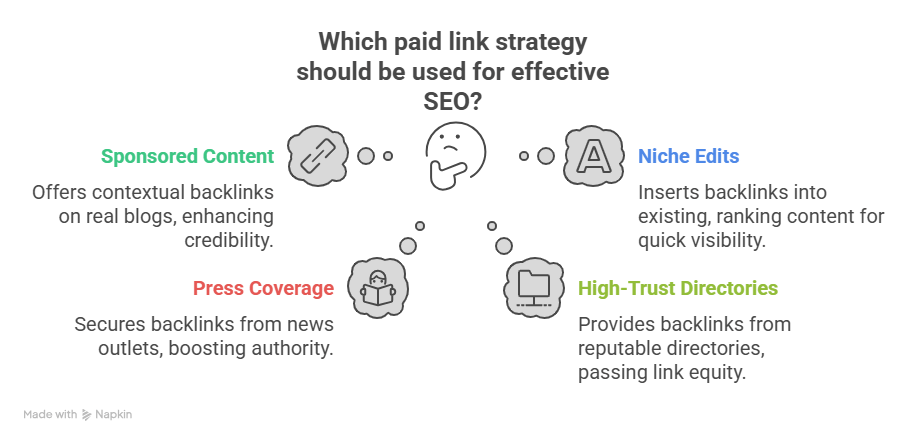
Some link types are safer, and more effective, than others when money is involved. The most common and Google-safe options include:
-
Sponsored content or guest posts: You pay to publish content on a real blog with a contextual backlink.
-
Niche edits: You insert a backlink into existing content that’s already indexed and ranking.
-
Press coverage or digital PR: You fund a story or announcement that includes your link on a news outlet.
-
High-trust directories: Some industry-specific directories still pass link equity and are worth the fee.
-
Expert roundups: These often require a “sponsorship” or inclusion fee, but can deliver authority and referral traffic.
What you want to avoid are mass link packages, PBNs, auto-submission tools, or anything that sounds like it could be run by a bot farm. If it looks artificial, Google will likely treat it that way.
Again, platforms like BacklinkBot focus exclusively on curated editorial placements, think of it as a white-hat link marketplace with quality control built in.
Tracking ROI After Buying Backlinks
One common mistake buyers make is treating backlinks as a magic bullet. They buy five or ten links and expect immediate ranking jumps. SEO doesn’t work like that.
Backlinks take time to be crawled, indexed, and associated with your domain authority. In most cases, you’ll see results over weeks or months, not days.
To track the ROI of your backlinks, monitor:
-
Ranking changes for target keywords
-
Organic traffic growth over time
-
Domain Rating/Authority increases
-
Referral traffic from the linking sites
-
Conversion behaviour from link sources
If a backlink helps move the needle on one or more of those metrics, it’s doing its job.
Final Thoughts
Buying backlinks in 2026 isn’t a shortcut, it’s a strategy. When done right, it gives your site a much-needed authority boost, helps you compete in tougher niches, and speeds up the slow process of SEO growth.
But if you cut corners, chase volume over quality, or rely on shady providers, it can backfire hard.
If you’re serious about doing it the right way, it’s worth investing in tools and platforms that prioritise transparency and relevance. BacklinkBot is one such tool, designed to help you buy backlinks smartly, ethically, and at scale without risking penalties.
Because the goal isn’t just more backlinks, it’s better ones.
FAQs
Is it safe to buy backlinks in 2026?
Yes, it’s safe, if done right. Buying high-quality, relevant backlinks from trusted sites won’t get you penalized. Avoid spammy link farms and focus on editorial placements with real traffic.
What makes a backlink “high quality”?
High-quality backlinks come from reputable, relevant websites with strong authority and organic traffic. They’re naturally embedded in content and surrounded by context, not listed on shady directories or unrelated blogs.
How much should I pay for a quality backlink?
Prices vary based on the domain’s authority, niche, and traffic, but expect to pay between $100 and $500 for a legit, editorially placed backlink. Avoid anything that seems suspiciously cheap.
Can Google detect paid backlinks?
Google can detect low-quality or spammy paid links easily, especially if they follow patterns. But high-quality paid links that are relevant, well-placed, and add value are much harder to spot.
Related Tools & Guides
Want these links without the spreadsheet?
We submit your product to 100+ directories by hand, starting at $99. Or the agent finds and pitches the pages already ranking for your keywords for $99 a month. Either way, you see every link before it goes live.