How To Make High Quality Backlink [2025]
![How To Make High Quality Backlink [2025]](/_next/image?url=%2Fimages%2Fblog%2Fhow-to-make-high-quality-backlink-2025-.png&w=3840&q=75)
Look, I've been in the SEO trenches for years now, and if there's one thing I've learned the hard way, it's that manual link building is still the real deal. No shortcuts, no magic bullets – just good old-fashioned outreach and relationship building.
After watching countless algorithm updates crush sites using sketchy link schemes, I'm convinced that doing things manually is the only sustainable approach. Let me walk you through what's actually working for me and my clients right now.
Why Should You Care About Manual Link Building?
Google still loves backlinks – that hasn't changed. But man, are they picky about which ones count! Through painful trial and error (and a few penalty recoveries I'd rather forget), I've found that manual link building lets you:
- Zero in on quality links from sites that actually matter
- Make sure links come from relevant places (Google's getting scary good at spotting irrelevant links)
- Have actual say in which pages link to your stuff
I remember when my client in the fitness space got a ton of links from crypto sites through some service they bought. Complete disaster! Rankings tanked within weeks. That's when I realized you simply can't outsource this stuff completely.
What's In It For You?
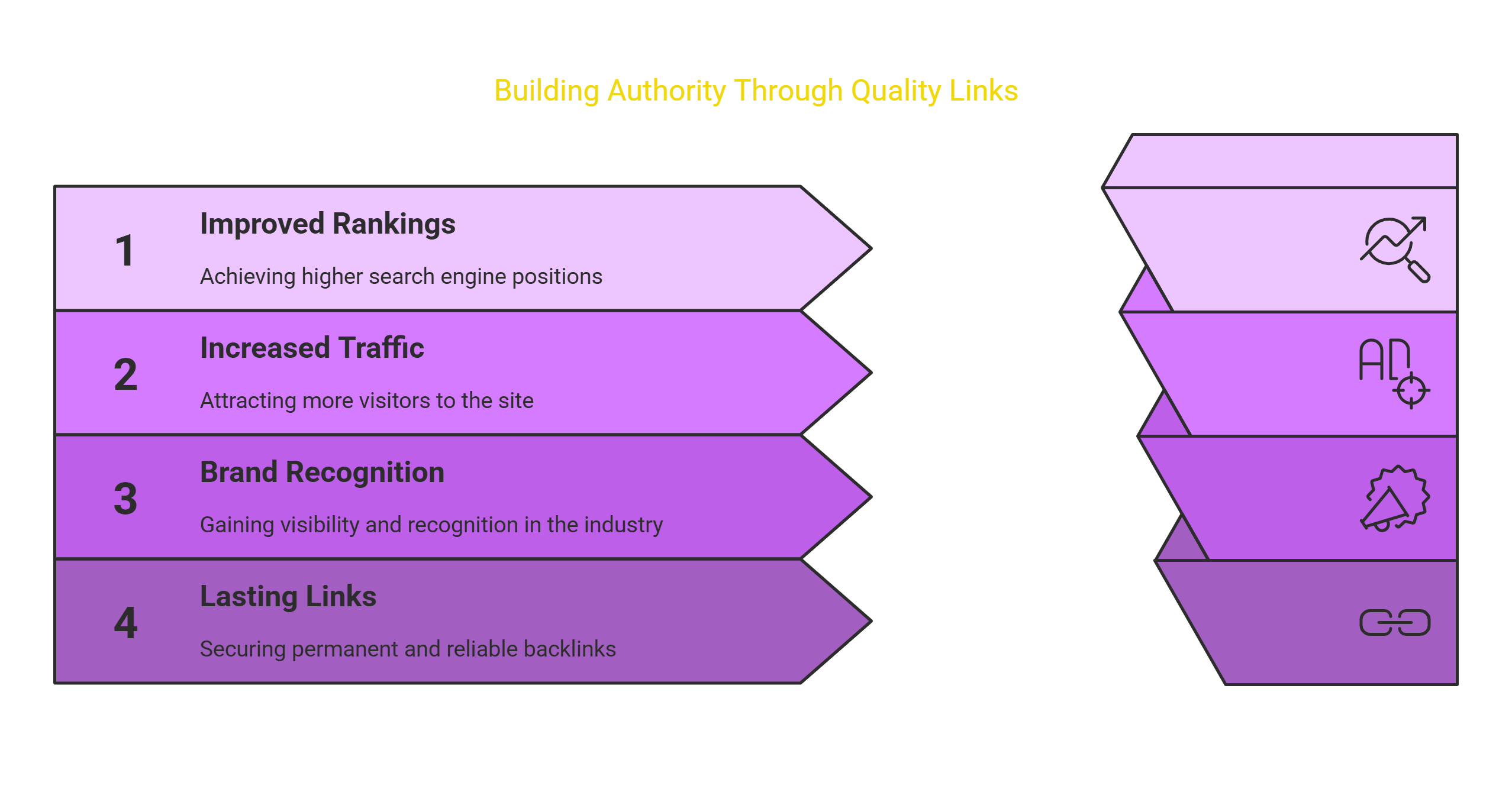
Better Rankings (duh!)
When you get links from trusted sites in your niche, your rankings climb. Simple as that. My home services client jumped from page 3 to position 5 after just 8 quality links from industry associations and local business sites.
Traffic That Actually Converts
The beauty of manual outreach is you're getting links from places where your potential customers actually hang out. One targeted link from an industry blog brought my e-commerce client 43 sales in a month – worth way more than 100 random links.
People Actually Start to Know You
When editors and site owners see your name in their inbox regularly (with actually helpful stuff), your brand sticks in their mind. I've seen this lead to podcast invites, speaking gigs, and partnerships that never would've happened otherwise.
Links That Stick Around
Links you earn through genuine outreach tend to stay put. Unlike those "10,000 links for $50" packages where 90% disappear within months. Been there, regretted that.
Step-by-Step Process
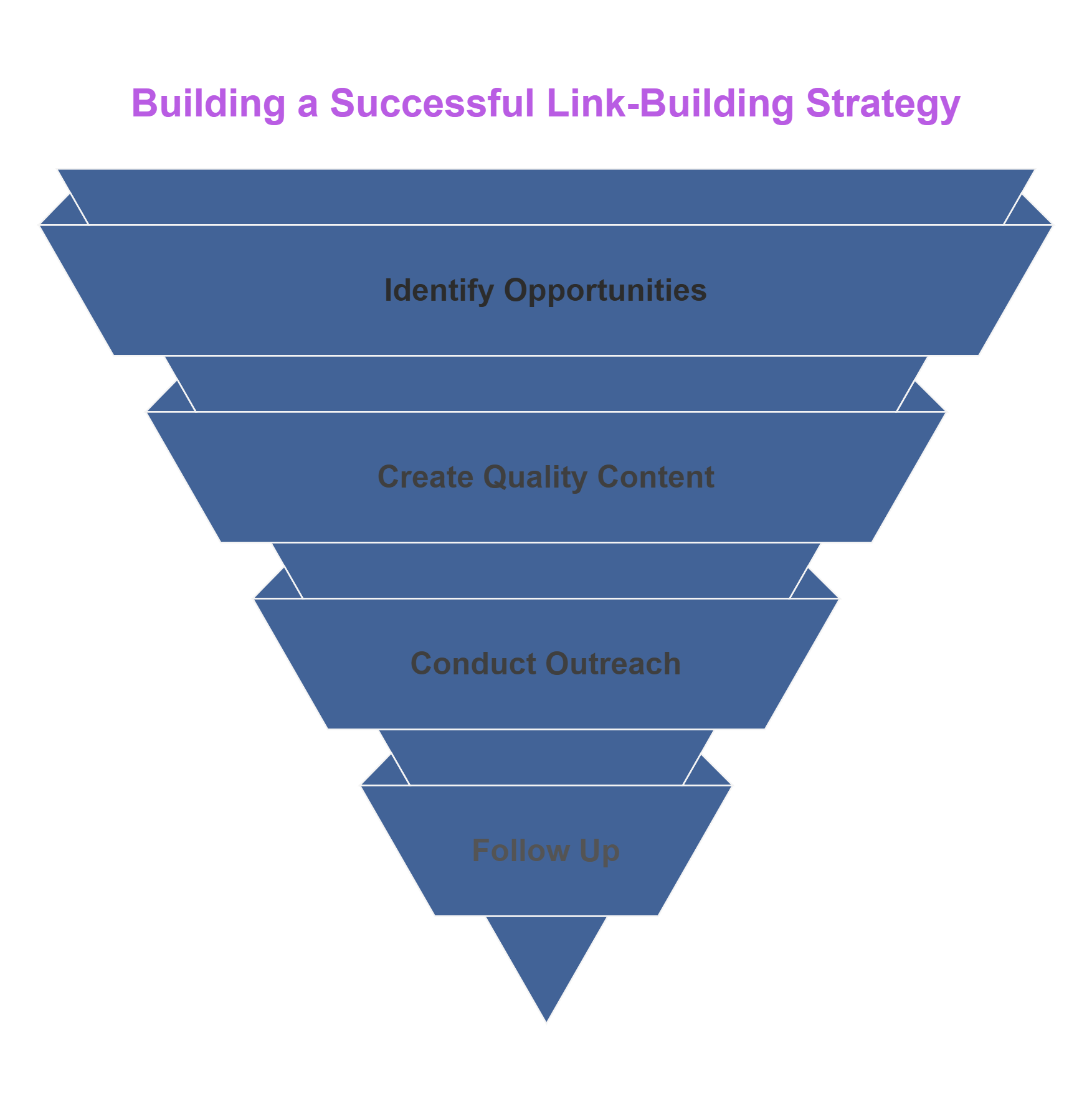
1. Figure Out What You Actually Want
Sounds obvious, but most people skip this! Are you trying to:
- Rank better for specific money keywords?
- Drive more eyeballs to a new product page?
- Establish yourself as an authority in your niche?
Your goal completely changes who you reach out to and what you ask for. For my SaaS clients, we focus on industry credibility. For local businesses, we target geography-specific sites.
2. Find Link Opportunities That Make Sense
This is where the detective work comes in. Here's what consistently works for me:
- Spying on competitors: I use tools to see who's linking to my competitors. If they got a link, why can't my client? Found 17 easy opportunities for a client last month this way.
- Resource page hunting: Search for things like "helpful resources" + your industry. These pages exist specifically to link out!
- Broken link mining: Find dead links on relevant sites and swoop in with your content as the replacement. My success rate is about 13% with this approach – not amazing but consistent.
- Guest posting opportunities: Yes, it's still a thing if you're picky. I look for sites that publish content from actual experts, not just anyone with $50.
3. Create Stuff Worth Linking To
Here's where most people fail. You can't build links to garbage content! I've had the most success with:
- Super in-depth guides that make people go "wow" (my 4,500-word guide on basement waterproofing outperforms everything else for my contractor client)
- Original research or surveys (our annual industry salary survey gets linked to constantly)
- Visual content that explains complex topics (our infographic on mortgage types has been linked to 63 times)
My rule of thumb: Would I genuinely email this to a friend if they asked for help on this topic? If not, it's not link-worthy.
4. The Outreach Hustle
This is the part everyone hates, but it's where the magic happens. Here's my actual process:
- Research the person I'm reaching out to (I always look at their recent articles or tweets)
- Craft a personal email that shows I've done my homework
- Keep it short – nobody reads long emails from strangers
- Make a specific, clear ask
Here's a template that's been working lately:
Subject: Your guide on [topic] – suggestion

Hey [First Name],

Your article on [specific topic] was super helpful – especially the part about [specific detail that shows I actually read it].

I noticed you mentioned [related topic]. I recently published a [type of content] that adds some interesting perspective on this, specifically [value it provides].

Thought your readers might find it useful as an additional resource: [link]

Either way, keep up the great work!

[My Name]
Nothing fancy, but it shows I'm a real person who actually read their stuff.
5. Follow Up (But Don't Be Annoying)
About 70% of my successful link placements come from follow-up emails. People are busy, emails get buried. I usually wait a week and send a super short, friendly nudge.
But after two attempts, I move on. Nobody likes a pest.
Link Building Strategies That Are Actually Working For Me
Guest Blogging Done Right
Not the "write garbage for anyone who'll accept it" approach. I mean creating genuinely helpful content for respected sites in your niche.
I recently wrote a comprehensive guide for an industry publication that took me 6 hours to create. It's generated 3 client inquiries and 5 secondary links from other sites that referenced it. Worth every minute.
The Broken Link Technique
This is still my highest conversion strategy. Find resource pages with dead links, recreate similar content, and suggest your page as a replacement. Site owners are usually grateful since you're helping them fix a problem.
Last month, I found a broken link on a university resource page. My replacement suggestion was added within 48 hours. Educational links are gold!
The Skyscraper Approach
Find popular content in your niche, create something significantly better, then reach out to sites linking to the original.
My home improvement client's ultimate guide to bathroom remodeling costs got 12 links this way. The key was including real contractor quotes and regional price breakdowns that other guides lacked.
Resource Page Link Building
These pages exist specifically to link out to helpful content. Search for terms like:
- "helpful resources" + your topic
- "recommended reading" + your industry
- "useful links" + your niche
I've found these site owners are much more receptive to outreach since their entire page exists to share good resources.
Finding Unlinked Brand Mentions
Sometimes people mention your brand but don't link to you. These are super easy wins because they already know you.
I set up Google Alerts for my clients' brand names and check for unlinked mentions. A simple "thanks for mentioning us, would you mind adding a link?" email works about 25% of the time in my experience.
Real Talk: The Challenges
Most People Ignore You
My average response rate is about 11%. That means 89% of my carefully crafted emails go nowhere. It's part of the game.
It's Time-Consuming
No sugarcoating it – manual link building takes serious time. I spend about 12 hours a week on outreach for each client. But the results are worth it.
Rejection Happens
Some sites will say no. Sometimes rudely. Develop a thick skin and move on.
One editor told me my content was "not a good fit" three times before finally accepting a piece on the fourth try. Persistence (without being annoying) pays off.
Conclusion
Manual link building isn't sexy or quick. It's a grind. But it's the approach that's still working reliably in 2025 while algorithm updates continue to crush sites using shortcuts.
I've built my entire business on helping clients earn quality links through genuine outreach and relationship building. It works because it's how Google actually wants you to get links – by creating stuff worth linking to and getting it in front of the right people.
Start small. Focus on quality over quantity. Be patient. And remember that every legit link you build is creating a moat around your site that competitors using shortcuts can't easily cross.
FAQ
-
How many links should I be building each month?
Totally depends on your niche and goals. For my local business clients, 3-5 quality links per month moves the needle. For competitive national terms, we aim for 10-15. Quality always trumps quantity though. One link from an industry leader is worth more than 20 from random blogs.
-
Is it OK to pay for links?
Look, people do it. But I've cleaned up too many Google penalties to recommend it. If you do decide to go this route, understand the risks and be extremely selective. That "guest post for $50" mass email you got? Run away.
-
How personalized should my outreach really be?
Very. I tested this with 160 emails – 80 using a generic template and 80 where I referenced specific details from their site. The personalized ones got a 14% response rate vs. 3% for the generic ones. The extra 2 minutes per email is worth it.
-
Why do people say link- building is dead?
Because they're either selling something else or they've never actually ranked competitive terms. I've tracked rankings for dozens of sites – the correlation between quality links and position improvements is still incredibly strong. The methods have evolved, but the importance hasn't.