The short version
- Give your rankings a natural boost
- Bring more visitors without increasing ad spend
- Force you to really understand what your audience wants
On this page8 sections
- Two Sides of the Coin
- The White Hat Way
- The Risky Business
- Do clicks even affect rankings? What the Google leak revealed
- Why This Matters
- When It Works
- When It Backfires
- How to Boost Clicks Naturally
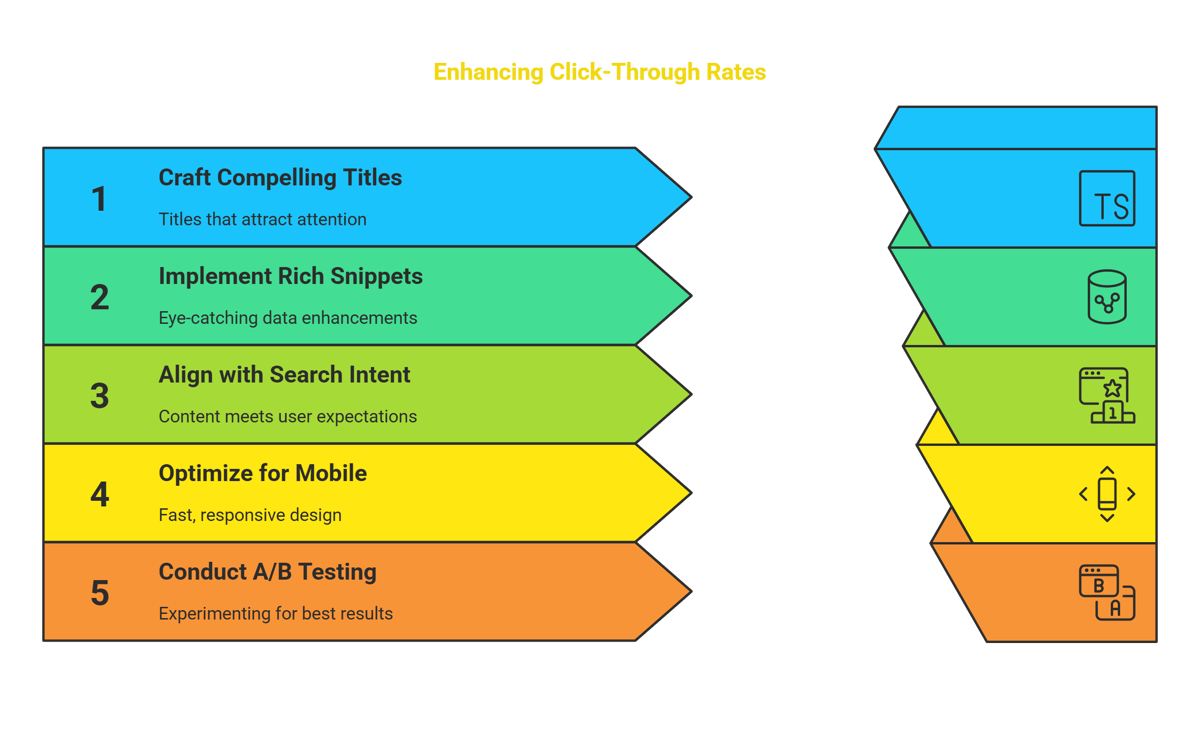
- Write Titles People Can't Ignore
- Use Data to Stand Out
- Match Search Intent Perfectly
- Mobile Optimization Matters
- Test, Test, Test
- Tracking What Works
- Mistakes I've Made
- Final Thoughts
- FAQ
I've been in the SEO game for over a decade now, and there's one topic that keeps resurfacing in industry meetups: how people try to game the system through click metrics. After seeing both the successes and spectacular failures, I wanted to share my insights on this controversial practice.
CTR manipulation happens when someone tries to artificially boost how many people click their website in search results. This whole approach comes from the observation that search engines like Google seem to consider user behavior as a ranking signal.
I've seen it myself - when a website sitting in position five consistently gets more clicks than higher-ranked results, it often starts climbing the rankings over time. Google notices these patterns and interprets them as signals of relevance.
Two Sides of the Coin
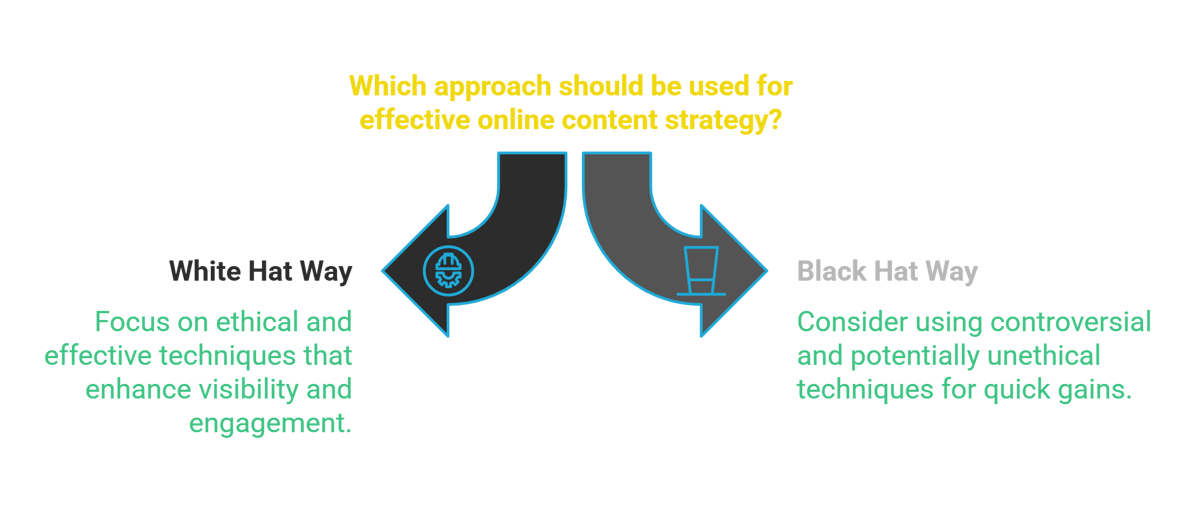
After years of experimenting and observing, I've identified two fundamentally different approaches:
The White Hat Way
These are techniques i stand behind:
Crafting Irresistible Titles: I spend serious time on headlines that connect with searchers. Last month, I rewrote a client's title from "Beginner's Guide to Investing" to "I Wasted $10,000 Investing: 7 Mistakes New Investors Make" and saw clicks triple.
Using Rich Snippets: Adding those extra visual elements makes your listing pop. When I added recipe markup to a cooking blog, their click rate jumped 35% practically overnight.
Targeting Specific Queries: Instead of chasing broad terms, I've found success with longer, more specific phrases. They might have a lower search volume, but the clicks are much more meaningful.
The Risky Business
Then there's the stuff I've seen crash and burn:
- Click Bots: Some folks use automated programs to simulate clicks on their listings. I watched a competitor try this last year - they shot up the rankings for two weeks before completely disappearing from search results.
- Paid Clicking Networks: There are services where you can pay people to search for your keywords and click your site. A former client tried this behind my back and got their domain blacklisted.
- Click Incentives: Offering rewards for searches and clicks. I've seen companies ask employees to regularly search for their products and click their listings - hardly sustainable.
Do clicks even affect rankings? What the Google leak revealed
The entire premise of CTR manipulation rests on one contested question: does Google use click data to rank pages? Google long said no. The 2024 leak of its internal API documentation suggested otherwise. Summarizing the docs in a widely-shared r/SEO thread, one commenter put it plainly:
"G said clicks don't affect rankings, but there's a whole system called 'NavBoost' that uses click data to change search results." (u/coolsheet, r/SEO)
So the honest answer is that clicks do appear to matter, which is exactly why CTR manipulation is tempting, and exactly why it is risky. NavBoost reportedly weighs genuine, sustained user behavior (including whether searchers stay on your result or bounce back to try another). Fake clicks from bots or click-farms do not reproduce that real engagement pattern and are the kind of anomaly Google is well-positioned to detect and discount. The takeaway is not "manipulate your CTR", it is "earn a genuinely higher CTR", which the natural methods further down actually deliver.
Why This Matters
When It Works
When done honestly, improving your click rate can:
- Give your rankings a natural boost
- Bring more visitors without increasing ad spend
- Force you to really understand what your audience wants
I had a client in the home improvement space who completely rewrote their meta descriptions to focus on specific pain points. Their organic traffic increased 47% in two months without any other changes.
When It Backfires
The artificial approach might seem tempting, but I've witnessed the fallout:
- Search penalties that can take years to recover from
- Reputation damage when word gets out
- Wasted resources on temporary gains
A competitor in my niche tried using click bots in 2023. They rocketed to position one for three weeks, then completely disappeared from the first five pages. They're still struggling to recover.
How to Boost Clicks Naturally
Write Titles People Can't Ignore
Your title needs to speak directly to the searcher's problem. Compare these:
Boring: "Home Plumbing Repair Guide"
Better: "Fix That Dripping Faucet in 5 Minutes (No Special Tools)"
The second one addresses a specific problem and promises a quick, accessible solution.
Use Data to Stand Out
Rich snippets make your listing more eye-catching. I've seen these work especially well:
- Star ratings for products and services
- FAQ snippets that answer common questions
- Price ranges for products
My personal favorite is FAQ markup - it can double the size of your listing on the results page.
Match Search Intent Perfectly
Make sure your content delivers exactly what the title promises. If users click and don't find what they expected, they'll bounce - and Google notices.
I once worked with a site that had great click rates but terrible bounce rates. We realigned their content with search intent and saw rankings improve within weeks.
Mobile Optimization Matters
With most searches now happening on phones, your site needs to load fast and look good on small screens. I've tracked the correlation between mobile load times and CTR - every second delay can drop clicks by 7%.
Test, Test, Test
I'm constantly experimenting with different approaches. Some recent tests:
- Adding numbers to titles (improved CTR by 15%)
- Using questions vs. statements (questions won by 23%)
- Including the current year in titles (11% improvement)
Tracking What Works
I rely heavily on these metrics:
-
Impressions vs. Clicks
I look for pages getting lots of impressions but few clicks. These are prime candidates for title/description rewrites.
-
Bounce Rate Patterns
If people click but immediately leave, something's disconnected between your listing and your content.
-
Keyword Performance
I track which terms actually drive engagement. Sometimes, the most popular searches aren't the most valuable.
-
Device and Location Insights
I've found that CTR can vary dramatically by device and location. Mobile users in urban areas often behave differently than desktop users in rural settings.
Mistakes I've Made
-
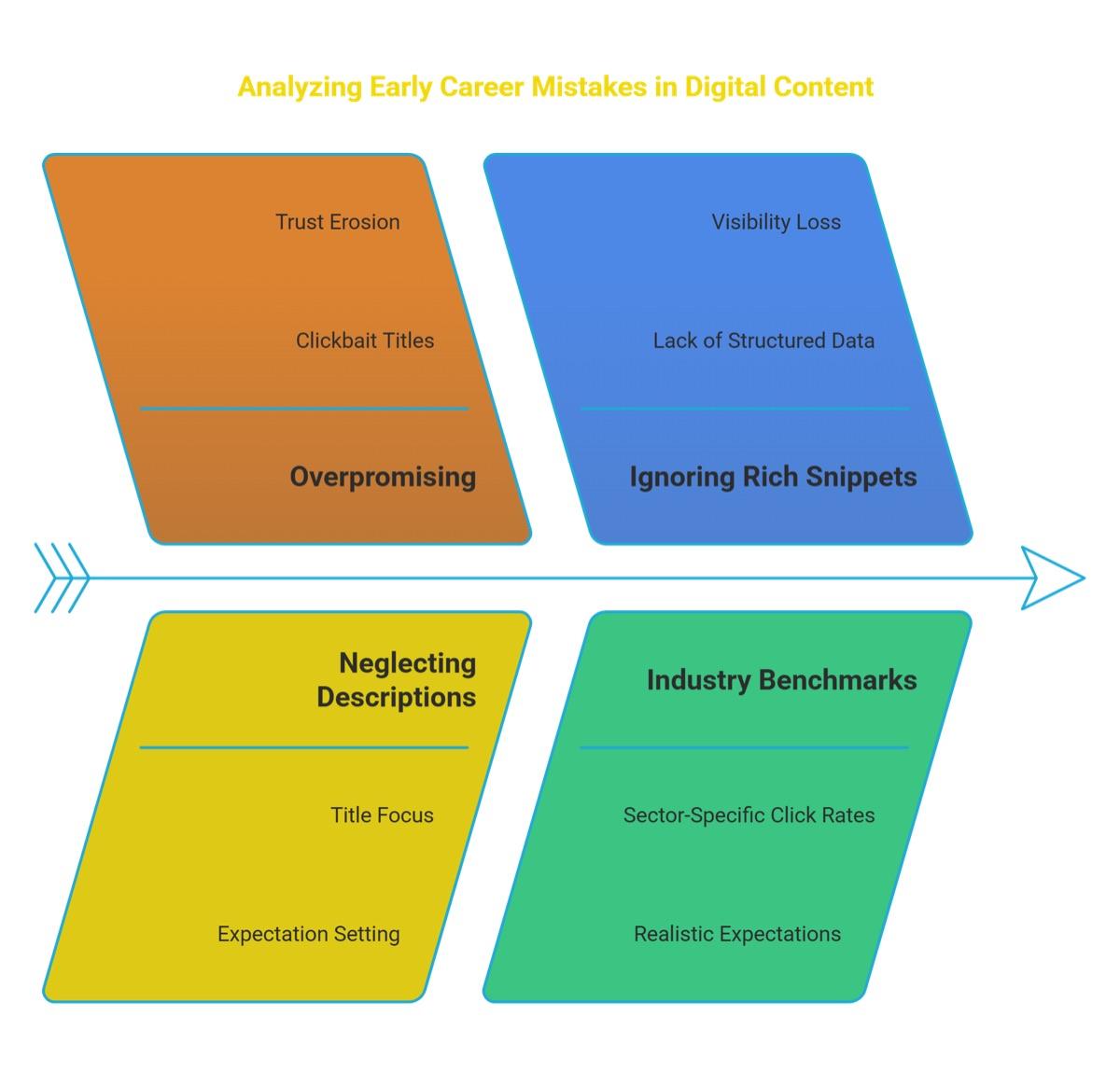
Overpromising
Early in my career, I wrote some clickbait titles that drove traffic but destroyed trust. Never again.
-
Neglecting Descriptions
I once focused entirely on titles and ignored descriptions. Big mistake - they're crucial for setting expectations.
-
Ignoring Rich Snippets
I was late to the structured data party and missed out on years of potential visibility advantages.
-
Industry Benchmarks
From my experience, these are realistic click rates across different sectors:
| Industry | Average CTR |
|---|---|
| E-commerce | 2.5% - 3.5% |
| Technology | 3.0% - 4.5% |
| Healthcare | 4.0% - 5.5% |
| Finance | 2.0% - 3.0% |
Higher positions naturally get more clicks, but a compelling listing in position 3 can sometimes outperform a boring one in position 1.
Final Thoughts
After years in this industry, I've learned that while you can temporarily trick the system, building genuine engagement is the only sustainable approach. Focus on understanding what your audience wants, delivering it clearly, and making your search listing irresistibly clickable.
The algorithms get smarter every year, and today's clever hack is tomorrow's penalty trigger. I've watched too many sites rise and fall to recommend anything but honest optimization.
FAQ
-
Is CTR manipulation against Google's rules?
Artificial manipulation violates Google's guidelines. They've gotten extremely good at detecting unusual patterns. Ethical optimization, however, is just good marketing.
-
Can better titles improve rankings?
In my experience, absolutely. I've tracked numerous cases where improved titles led to higher CTR, which correlated with ranking improvements within weeks.
-
How quickly do these tactics work?
Honest optimization typically shows results within 2-4 weeks. Artificial methods might work faster , but rarely last.
-
What's the single most effective CTR improvement?
In my testing, adding specific numbers to titles consistently outperforms other techniques. "7 Ways to..." or "Save 23% on..." almost always beats generic alternatives.
-
Can small businesses compete with big brands for clicks?
Absolutely! I've helped small businesses outperform major competitors by writing more compelling, specific listings that better address user intent.
Want these links without the spreadsheet?
We submit your product to 100+ directories by hand, starting at $99. Or the agent finds and pitches the pages already ranking for your keywords for $99 a month. Either way, you see every link before it goes live.