Relevant Backlinks: Key to Boosting Your SEO
I've been working in SEO for years now, and one thing remains clear - when you're trying to improve your website's search rankings, not all backlinks deliver the same results. While backlinks generally help your ranking, it's specifically the relevant ones that make the real impact. These come from websites in your niche or industry, and they tell search engines that people who know your field trust your content.
This article explains why relevant backlinks matter so much, how to find them, and the way they can transform your SEO strategy.
What Are Relevant Backlinks?
In my experience, relevant backlinks come from websites that connect somehow to what you do or write about. They're links from places that share your audience or industry focus. When a respected health blog links to your fitness website, search engines see that as a strong vote of confidence from someone who understands the space.
Why do I think relevant backlinks matter so much?
First, they pass more SEO juice to your site compared to random links. Second, they bring visitors who actually care about your content, not just casual browsers who'll bounce immediately. And finally, Google and other search engines view these industry-specific endorsements as proof that you know what you're talking about.
Finding Relevant Backlinks: My Approach
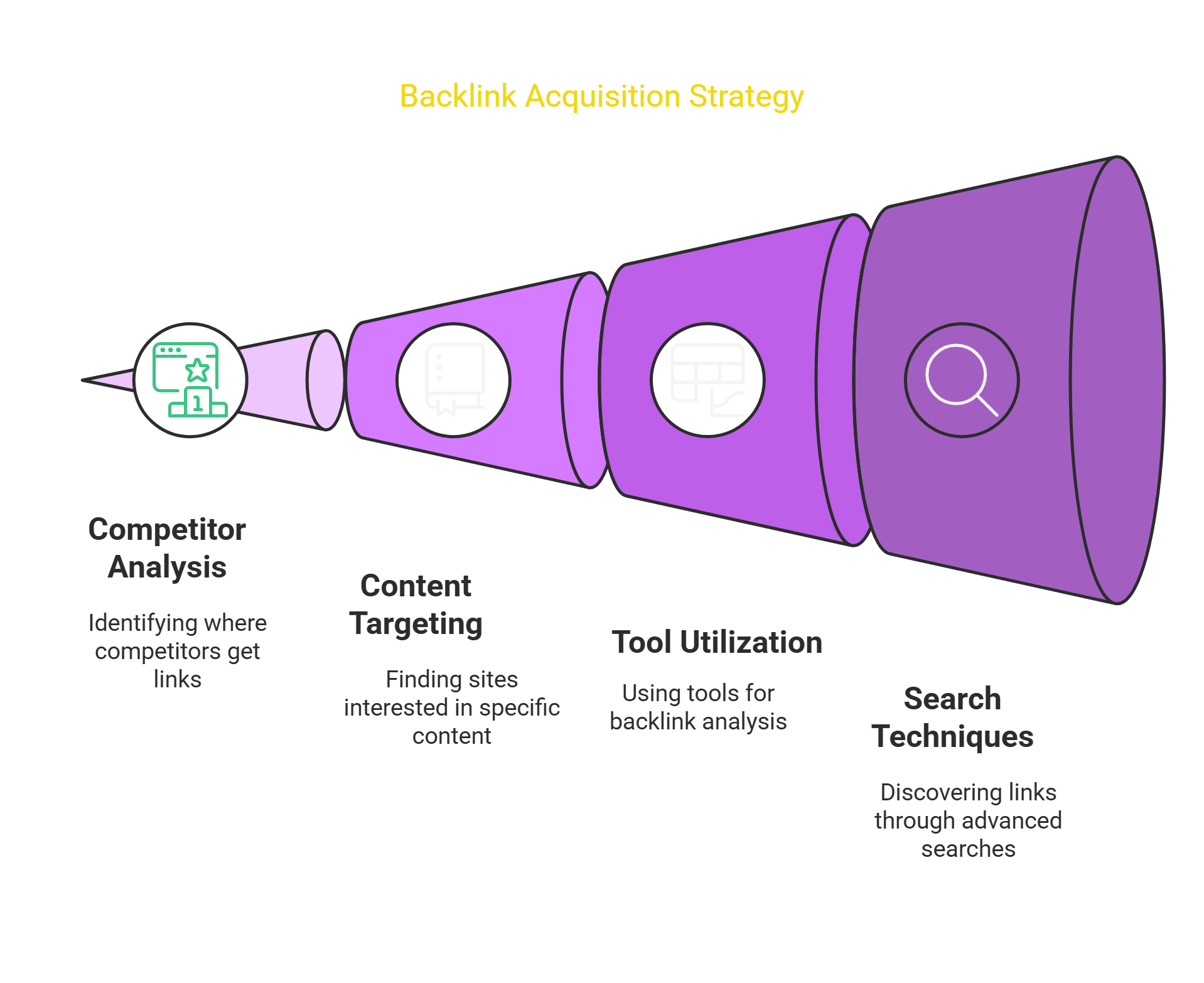
Over the years, I've developed several methods that work consistently for finding quality backlink opportunities.
1. Looking at the Competition
I start by checking who links to my competitors. It's pretty straightforward - if another fitness blog is getting links from wellness magazines, those same magazines might link to my content too.
Tools like Ahrefs have saved me countless hours here. I'll typically export a competitor's backlink profile, sort by domain authority, and then start reaching out to the most promising sites. Not rocket science, but it works.
2. Content-Based Research
Sometimes I'll take a successful article from my site and ask: "Who else would care about this?"
For example, when I wrote about protein smoothies last year, I searched for nutrition bloggers and dietitians with active websites. Many were happy to include my recipes in their roundups once I reached out with a personal email explaining why their readers might benefit.
3. Using Backlink Tools
I've spent money on several backlink analysis tools over the years. Honestly, SEMrush has been my favorite, though Moz gives good data too. These tools help me see not just who links to competitors, but how strong those links are.
I once found a niche forum through SEMrush that had linked to three of my competitors. After becoming an active member and sharing some genuinely helpful advice, I eventually earned a link that drove significant traffic.
4. Google Search Tricks
Some basic search operators have helped me find link opportunities that tools missed. Typing things like "fitness blogs accepting guest posts" or "submit health article" with quotes helps narrow down sites actively looking for content.
I got one of my most valuable backlinks by searching "link roundup + fitness equipment" and finding a weekly newsletter that featured new content in the space.
How I Build Relevant Backlinks
Finding opportunities is only half the battle. Here's how I actually secure those valuable links:
1. Creating Content People Actually Want to Link To
My early content was, frankly, forgettable. Once I started creating comprehensive guides and original research, links came more naturally.
Last summer, I surveyed 200 personal trainers about their favorite equipment and published the results. That single piece earned backlinks from 12 industry websites without me having to ask.
2. The Outreach Process
When I do reach out, I keep emails short and focused on value. My template usually goes:
"Hey [Name],
I noticed your recent article about [topic]. I've published a related piece that [specific benefit to their readers]. Might be worth mentioning in your article.
Here's the link if you want to check it out: [URL]
Thanks for considering it! [My name]"
No pressure, just a suggestion. Works about 10-15% of the time, which isn't bad.
3. Building Real Relationships
My most successful links have come after developing genuine connections. I'll comment thoughtfully on someone's blog for weeks before asking for anything. When I finally mention my content, it doesn't feel like a cold pitch.
One blogger I followed for months eventually became a regular source of backlinks, and we've even collaborated on projects together.
4. Tracking What Works
I check my backlinks monthly using Search Console. Some links I was excited about have driven zero traffic, while others I almost didn't pursue have been gold mines. Keeping records helps me focus future efforts.
The Real Impact of Relevant Backlinks
From my testing across multiple sites, relevant backlinks boost rankings far more effectively than random ones. When my cooking blog got a link from a major food magazine, we jumped three positions for our target keyword within a week.
Beyond SEO, relevant backlinks bring visitors who stick around. My bounce rate from industry-specific referrals hovers around 42%, compared to 68% from general directories.
Conclusion
Building relevant backlinks takes more work than buying cheap links or using link schemes, but the difference in results makes it worthwhile. By focusing on connections within your industry, you'll build a stronger foundation for lasting search performance.
Instead of chasing hundreds of low-quality links, I've found that even a handful of perfectly relevant backlinks can transform your site's authority. Start by analyzing your competitors, create truly valuable content, and build relationships with others in your space.
FAQ
Q: How can I tell if a backlink is actually relevant?
A: I look at whether their content overlaps with mine and if their readers would naturally be interested in my topic. The closer the connection, the more relevant the link.
Q: I've emailed 20 sites and heard nothing. What am I doing wrong?
A: Probably targeting sites that are too popular. I start with smaller, more accessible blogs before approaching industry leaders. Also, make sure you're offering clear value, not just asking for favors.
Q: Will irrelevant backlinks hurt my site?
A: In my experience, they rarely hurt unless they're from truly sketchy sites. They just don't help much compared to relevant ones.
Q: How many backlinks should I aim for each month?
A: Quality matters more than quantity. I'd rather get two excellent, relevant backlinks than twenty mediocre ones. Focus on building relationships that lead to natural links instead of hitting arbitrary numbers.
Q: Can social media links help with SEO?
A: They're generally nofollow links, so their direct SEO value is limited. However, they increase content visibility, which can lead to others linking to you. I've had articles go semi-viral on LinkedIn that later earned several quality backlinks.