The short version
- Discover how strategic media outreach builds lasting brand authority while delivering powerful SEO benefits.
- Learn actionable techniques to connect with journalists and secure valuable coverage that drives results.
On this page10 sections
- Understanding Media Outreach Beyond Link Building
- Why Strategic Media Relationships Strengthen Your SEO
- A working example: press releases as a link and indexing tactic
- Finding Your Perfect Media Matches
- Crafting Pitches That Actually Get Responses
- Building Sustainable Media Relationships
- Measuring Media Outreach Success Beyond Links
- Conclusion
- FAQ
- Related Tools & Guides
Six years ago, my small marketing team landed our first major media placement after months of failed pitches. That single feature in an industry publication brought more traffic than our previous three campaigns combined. Since then, I've been obsessed with perfecting the art of media outreach - not just for backlinks, but as a comprehensive brand-building strategy.
Understanding Media Outreach Beyond Link Building
Media outreach involves more than blasting generic emails to journalists. At its core, it's about building mutually beneficial relationships with people who can amplify your brand's voice and expertise.
I've watched countless businesses approach this backwards, focusing exclusively on link acquisition rather than value creation. The companies that succeed treat journalists as partners rather than promotional vehicles. They recognize that reporters need expert sources, unique data, and fresh perspectives just as much as brands need coverage.
When done right, these relationships deliver far more than occasional backlinks - they position you as a go-to resource and industry authority. One client in the finance sector went from unknown startup to being quoted in major publications simply by making themselves consistently available for expert commentary.
Why Strategic Media Relationships Strengthen Your SEO
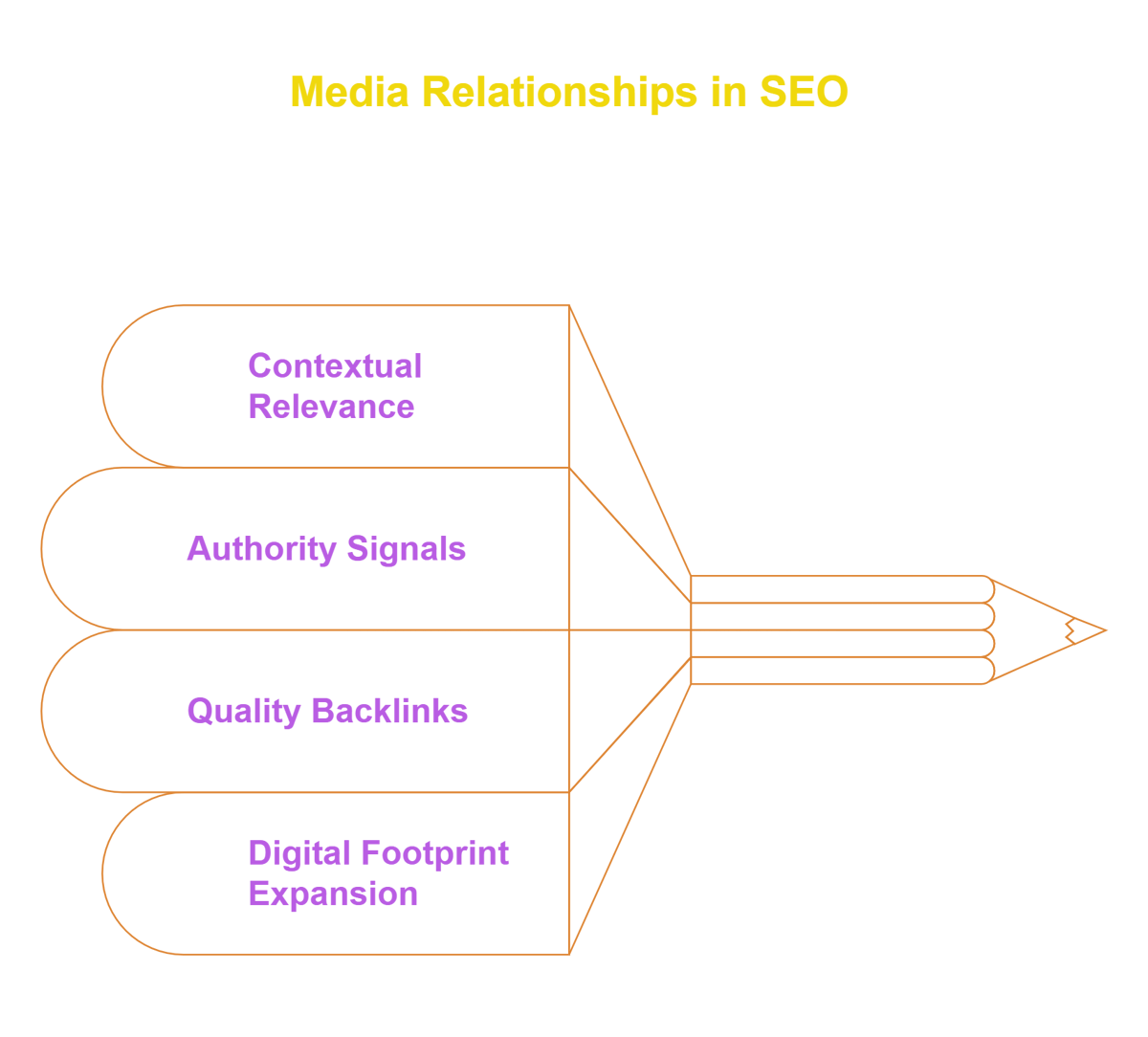
- The SEO world has evolved dramatically. Gone are the days when any backlink would move the needle. Today's algorithms prioritize contextual relevance and authority signals.
- Media coverage creates a powerful authority feedback loop. When trusted publications feature your brand, they signal to both audiences and search engines that you're credible. These quality backlinks significantly outperform most other link types.
- One manufacturing client we worked with saw their domain authority jump 12 points after securing features in just three industry publications. Their organic traffic increased 43% within two months, despite making no other significant SEO changes.
- Beyond direct ranking benefits, media mentions dramatically expand your brand's digital footprint. Even unlinked brand mentions contribute to search visibility - Google has confirmed they track these as implied endorsements.
A working example: press releases as a link and indexing tactic
Media outreach is not only about landing a feature in a big publication, syndicated press releases can earn links and, crucially, help pages get indexed. One SEO described the exact mechanism that made it work for them in an r/SEO discussion:
"we started going heavy with press releases in the local realm a few years ago because we noticed when we sent click through a link in the PR they would actually index. We did it by using the PR news sites as a syndication network. We'd post to our blog, copy and paste it to the pr network with a 'source link' to the OG article." (u/coolsheet, r/SEO)
The takeaway is not "spray press releases everywhere", low-effort PR blasts have a deserved bad reputation, but that a genuine announcement, syndicated across real news sites with a source link back to your own article, can both build links and get your content crawled and indexed faster. Treat it as one tactic within the broader relationship-building approach below, not a replacement for it.
Finding Your Perfect Media Matches
The shotgun approach to media outreach fails nearly every time. Success depends on identifying the specific journalists and outlets that genuinely align with your expertise.
Start by analyzing who covers topics adjacent to your business. Look beyond obvious publications to find niche outlets with engaged audiences. One small SaaS client found greater success targeting industry-specific blogs than pursuing mainstream tech publications - these smaller outlets delivered more engaged traffic and higher conversion rates.
Pay attention to individual journalists rather than just publications. Most reporters have specific beats and interests. Following their work before pitching allows you to understand their perspective and tailor your approach accordingly.
Tools like BacklinkBot help identify which outlets link to competitors but haven't featured you yet. These represent natural opportunities since they've already demonstrated interest in your industry.
Crafting Pitches That Actually Get Responses
After analyzing thousands of successful media pitches across multiple industries, certain patterns emerge. The pitches that consistently get responses share several characteristics:
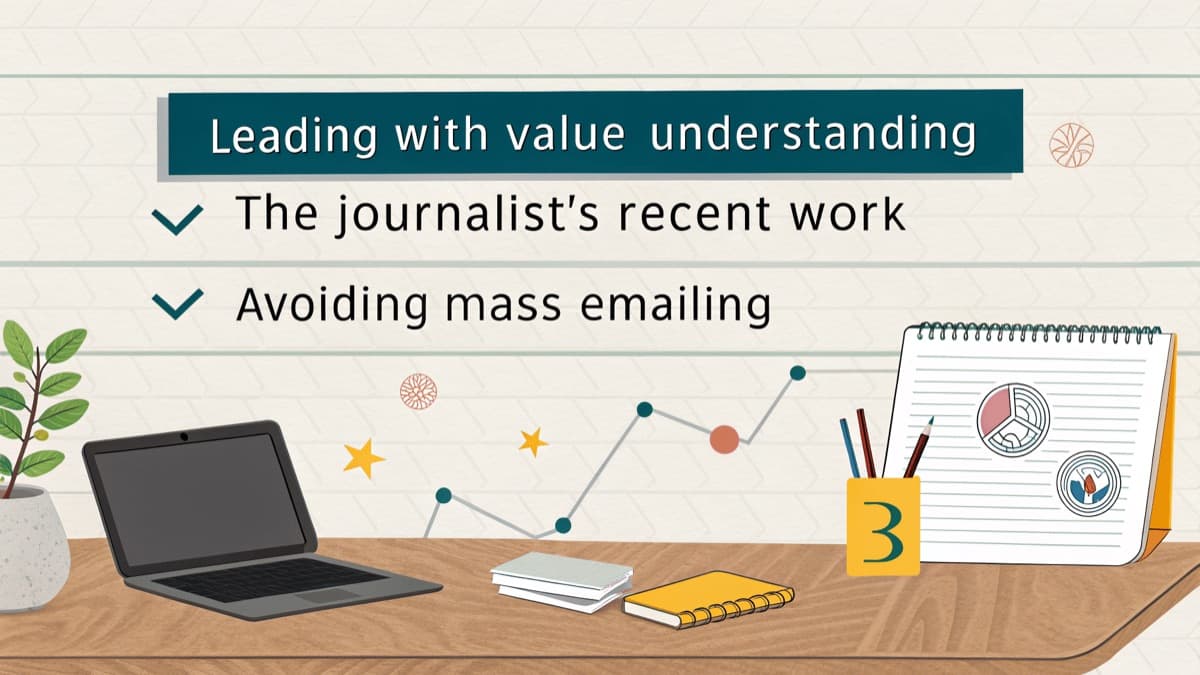
They lead with value, not requests. Instead of immediately asking for coverage, they explain how they can solve a problem for the journalist or their audience.
They demonstrate familiarity with the journalist's recent work. Referencing specific articles shows you've done your homework and aren't just sending mass emails.
Building Sustainable Media Relationships
The brands that excel at media outreach think long-term. They build relationships before they need them, not just when a press release goes out.
Start by offering genuine value without expecting immediate returns. Share industry insights, connect journalists with other sources, or provide commentary when requested - even for smaller publications.
One retail client maintained a quarterly calendar of relevant industry data they could share with media contacts. This proactive approach positioned them as a valuable resource, resulting in journalists eventually coming to them for quotes rather than requiring outreach.
Follow journalists on social platforms and engage meaningfully with their content. Many journalists are more responsive on Twitter or LinkedIn than through cold emails.
Remember that relationship building takes time. Some of our most valuable media connections took over a year to develop before resulting in significant coverage.
Measuring Media Outreach Success Beyond Links
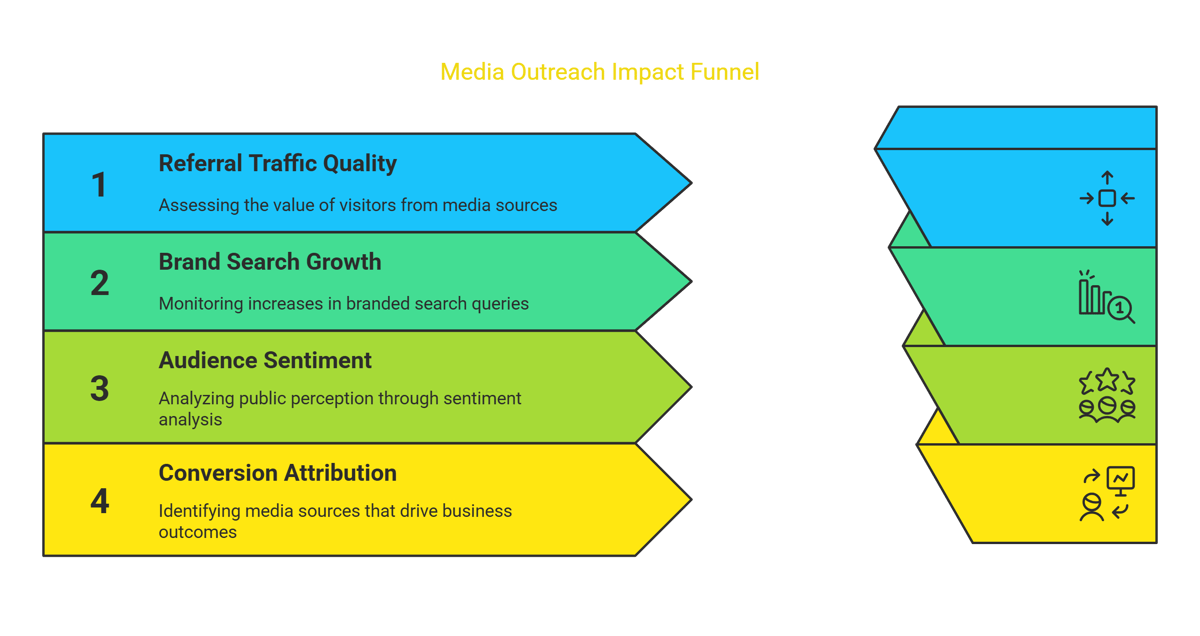
While backlinks remain important, they're just one metric for successful media outreach. A comprehensive approach tracks multiple impact factors:
Referral traffic quality often provides immediate business value regardless of SEO impact. Track which media sources send visitors who engage deeply with your site.
Brand search volume growth indicates increased awareness. We've seen direct correlations between media mentions and increases in branded search queries.
Audience sentiment analysis helps gauge how coverage affects perception. Tools like SocialMention or Brandwatch can track the context and sentiment of online mentions.
Conversion attribution from media referrals reveals which outlets drive not just traffic, but actual business outcomes. Some of our clients' highest-converting traffic sources were industry publications with modest visitor numbers but highly relevant audiences.
Conclusion
Effective media outreach represents the intersection of relationship building, value creation, and strategic SEO thinking. When approached authentically, these efforts create a virtuous cycle of increasing authority, visibility, and trust. The most successful brands view journalists as long-term partners rather than simply means to backlink acquisition. With consistent effort and genuine expertise, media relationships become renewable assets delivering compounding returns over time.
FAQ
-
How quickly can I expect results from media outreach efforts?
Initial relationships typically take 3-6 weeks to develop, with meaningful coverage following in 2-3 months. The timeline accelerates once you've established credibility and built several media relationships that generate momentum.
-
Should I focus on national publications or industry-specific outlets?
Industry publications often deliver better results despite smaller audiences. Their readers are typically more aligned with your offerings, leading to higher engagement rates and more qualified traffic compared to broader outlets.
-
How do I measure the SEO impact of a media mention?
Track key metrics like referring domain diversity, domain authority increases, search visibility for target keywords, and branded search volume. Tools like BacklinkBot can help monitor these factors systematically.
-
What's the ideal frequency for media outreach?
Consistency matters more than volume. Regular meaningful interactions with select journalists build stronger relationships than sporadic mass outreach. Aim for quality touchpoints 1-2 times monthly per key media contact.
-
How do I recover if a journalist doesn't respond to my pitch?
Wait at least 5-7 days before following up once. If still no response, pivot your angle or offer additional value before trying again in 3-4 weeks. Persistence works when it's respectful and provides fresh perspectives.
Related Tools & Guides
Want these links without the spreadsheet?
We submit your product to 100+ directories by hand, starting at $99. Or the agent finds and pitches the pages already ranking for your keywords for $99 a month. Either way, you see every link before it goes live.