The short version
- Search for your main keywords and note which sites consistently appear in the top results
- Look beyond the big players to find comparable sites that are ranking well
- Use tools like Ahrefs or SEMrush to discover who's targeting the same keyword clusters
On this page9 sections
- Why Analyzing Competitor Backlinks Makes Sense
- My Step-by-Step Process for Competitor Backlink Analysis
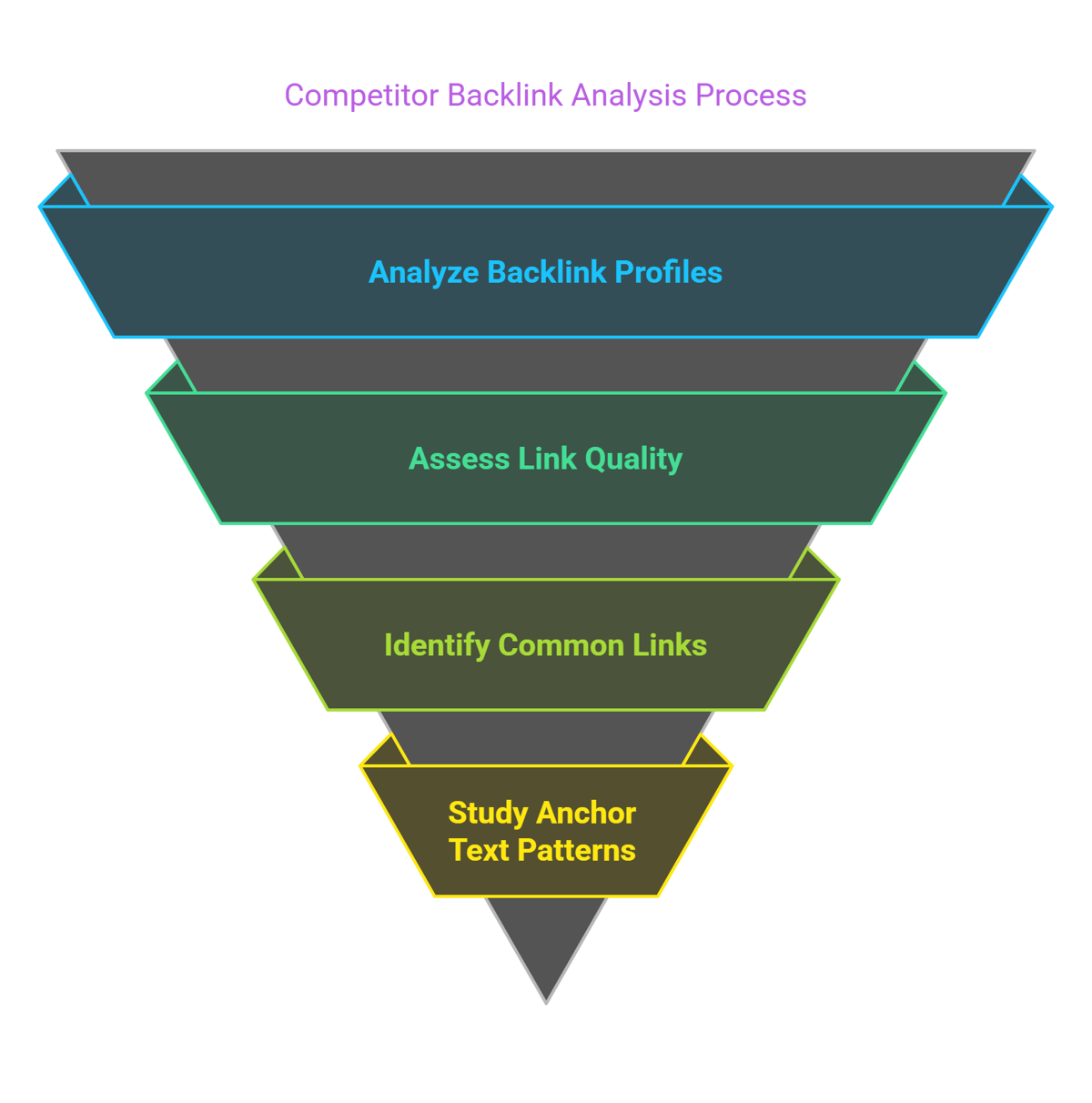
- 1. Find Your True SEO Competitors
- 2. Dig Into Their Backlink Profiles
- 3. Assess Link Quality, Not Just Quantity
- 4. Find the Common Denominators
- 5. Study Their Anchor Text Patterns
- Turning Analysis Into Action
- 1. Personalized Outreach That Works
- 2. Create Link-Worthy Content
- 3. Relationship Building Over Link Begging
- 4. Find and Fix Broken Competitor Links
- 5. Track and Iterate
- Which tool for the job, according to people who use all of them
- Tools That Make This Process Easier
- Common Mistakes I've Made (So You Don't Have To)
- Conclusion
- FAQ
- Related Tools & Guides
When I first started working in SEO, I spent countless hours trying to build backlinks from scratch. It wasn't until I began studying my competitors' backlink profiles that I finally saw meaningful results. This approach completely transformed my link-building strategy, and I'm sharing these insights with you today.
In this guide, I'll walk you through the practical steps I use to analyze competitor backlinks and how you can apply these techniques to boost your own site's rankings. No theoretical fluff, just actionable tactics that work in the real world.
Why Analyzing Competitor Backlinks Makes Sense
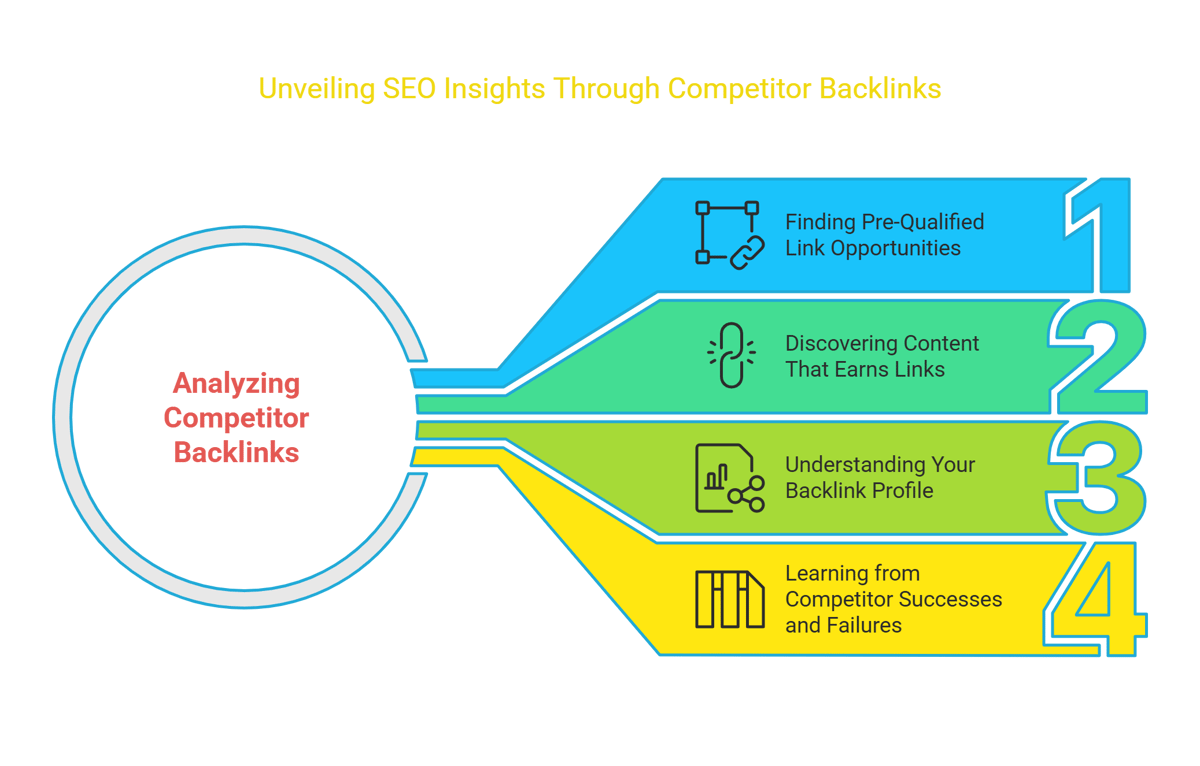
Think about it: your competitors have already done the hard work of finding sites willing to link to content in your niche. By examining their backlink profiles, you can:
Find pre-qualified link opportunities - These websites already link to content similar to yours, making them much more likely to link to you too.
Discover what content actually earns links - Stop guessing what might work and see what's actually attracting backlinks in your industry.
See where you stand - Understanding the gap between your backlink profile and your competitors' gives you a clear roadmap for improvement.
Learn from their successes and failures - Why reinvent the wheel when you can learn from what's already working?
My Step-by-Step Process for Competitor Backlink Analysis
1. Find Your True SEO Competitors
Your business competitors aren't always your SEO competitors. Here's how I identify who's really competing for the same keywords:
- Search for your main keywords and note which sites consistently appear in the top results
- Look beyond the big players to find comparable sites that are ranking well
- Use tools like Ahrefs or SEMrush to discover who's targeting the same keyword clusters
Pro tip: Focus on 3-5 competitors most similar to your site in terms of size and offerings. Analyzing Amazon when you're a small e-commerce store won't yield practical insights.
2. Dig Into Their Backlink Profiles
I use these tools to uncover the full picture:
- Ahrefs: My go-to for comprehensive backlink data and filtering options
- SEMrush: Great for comparing multiple competitors simultaneously
- BacklinkBot.ai: Helpful for automating some of the analysis work
When examining backlinks, I look specifically at:
- Which pages on their sites attract the most links
- How quickly they're acquiring new links
- The ratio of homepage links vs. deep content links
3. Assess Link Quality, Not Just Quantity
I've learned that 10 quality links often outperform 100 mediocre ones. I evaluate links based on:
- Relevance to the topic (this matters more than generic domain metrics)
- Editorial standards of the linking site
- Whether the link appears naturally within content
- Traffic potential from the referring page
One trick I use: check if the linking site ranks well for its own keywords. This often indicates Google values the site, making its links more valuable.
4. Find the Common Denominators
The gold mine in competitor analysis is identifying sites that link to multiple competitors but not to you yet. In my experience, these represent your highest-probability outreach targets.
I create a spreadsheet tracking:
- Websites linking to at least two competitors
- Contact information for each site
- Notes on what type of content earned the link
5. Study Their Anchor Text Patterns
Examining competitor anchor text has saved me from over-optimization penalties. I look for:
- The natural ratio of branded vs. keyword-rich anchors
- Variations in how competitors' brand names are linked
- Warning signs of over-optimization in their profiles
Turning Analysis Into Action
1. Personalized Outreach That Works
Generic outreach templates fail. When I contact sites linking to competitors, I:
- Reference specific content they've published
- Explain why my resource adds something their readers would value
- Keep initial emails short and conversational
My response rates jumped from 3% to nearly 15% when I started customizing every outreach email with personal touches.
2. Create Link-Worthy Content
I've found that certain content types consistently earn links:
- Original research or surveys
- Comprehensive guides that solve specific problems
- Visual content like infographics or diagrams
- Tools or calculators related to your niche
The key is creating something that serves as a valuable resource, not just another blog post.
3. Relationship Building Over Link Begging
Some of my best backlinks came after I built genuine relationships with site owners. I:
- Engage with their content on social media
- Provide value before asking for anything
- Look for collaboration opportunities beyond just links
4. Find and Fix Broken Competitor Links
When I find broken links pointing to competitor content, I create something better and reach out to the site owner. They're often grateful for the help in fixing dead links.
5. Track and Iterate
I track the results of every outreach campaign in a simple spreadsheet. This helps me refine my approach based on what actually works rather than theory.
Which tool for the job, according to people who use all of them
Competitor backlink analysis is only as good as the index behind it, and practitioners who have run all the major tools tend to match the tool to the specific task rather than crowning one winner. One summed it up well in an r/SEO comparison thread:
"For in-depth competitor analysis and keyword research, Semrush often feels the most comprehensive. Moz is great for its user-friendly interface and strong backlink analysis tools. Ahrefs, in my opinion, excels at content gap analysis and identifying viral content opportunities. It really depends on your specific focus." (u/needle-ln-techstack, r/SEO)
The practical read: for pure backlink and link-gap work, Ahrefs' index and gap tooling are the usual first choice, but any of the three surfaces most of a competitor's meaningful links, and free tiers plus Google Search Console fill gaps for your own site. Pick based on the task, and remember the tool only shows you the links, the judgment about which ones are worth replicating is still yours.
Tools That Make This Process Easier
- Ahrefs: The most comprehensive backlink database I've found
- SEMrush: Excellent for competitive analysis across multiple SEO metrics
- BacklinkBot.ai: Helps simplify some of the repetitive analysis work
Common Mistakes I've Made (So You Don't Have To)
Chasing too many opportunities at once - I've had more success focusing deeply on a few high-quality prospects than spreading myself thin.
Mimicking spammy tactics - Some competitors rank despite questionable link practices. I've learned to identify and avoid these risky strategies.
Neglecting content quality - The best outreach email can't overcome mediocre content. The resource must genuinely deserve links.
Conclusion
Competitor backlink analysis isn't about copying others, it's about learning from what's already working in your space. By systematically studying your competitors' link profiles, you can discover opportunities you might have missed and build a more effective link-building strategy.
Remember that link building is a long game. Focus on quality over quantity, be consistent with your outreach efforts, and keep refining your approach based on results.
FAQ
How often should I analyze competitor backlinks? I review competitor backlinks quarterly for established sites, but monthly for newer sites or competitive niches where things change rapidly.
Is it worth reaching out to sites that have declined my requests before? In my experience, yes, if you approach them with new, improved content. I've had success returning to previous "no" responses with better offers.
What's better: getting many links from one domain or single links from many domains? While domain diversity is important, I've found that earning multiple links from authoritative sites in your niche can significantly boost rankings for related keywords.
How do I prioritize which competitors to analyze first? Start with sites ranking just above you for your target keywords. They typically provide the most relevant and achievable link opportunities.
Related Tools & Guides
Want these links without the spreadsheet?
We submit your product to 100+ directories by hand, starting at $99. Or the agent finds and pitches the pages already ranking for your keywords for $99 a month. Either way, you see every link before it goes live.