How Many Backlinks Do You Need for SEO Success?
The question haunts every website owner I've worked with: "How many backlinks do I actually need?" After 12 years in SEO, I've learned there's no magic number – but there are practical guidelines worth sharing.
The Quality vs. Quantity Debate
Back in 2013, I managed SEO for a small e-commerce client selling handmade jewelry. They were obsessed with link counts, celebrating every new backlink regardless of source. Their competitor, with barely half their backlink total, consistently outranked them.
The difference? Quality.
Ten links from respected industry sites will typically outperform a hundred from random, irrelevant blogs. Google's algorithm has grown increasingly sophisticated in evaluating link context, relevance, and authority – not just raw numbers.
Industry Matters More Than You Think
During a recent audit for a local bakery, I discovered they needed far fewer backlinks to rank well compared to a fintech startup I consulted for previously. The disparity wasn't surprising.
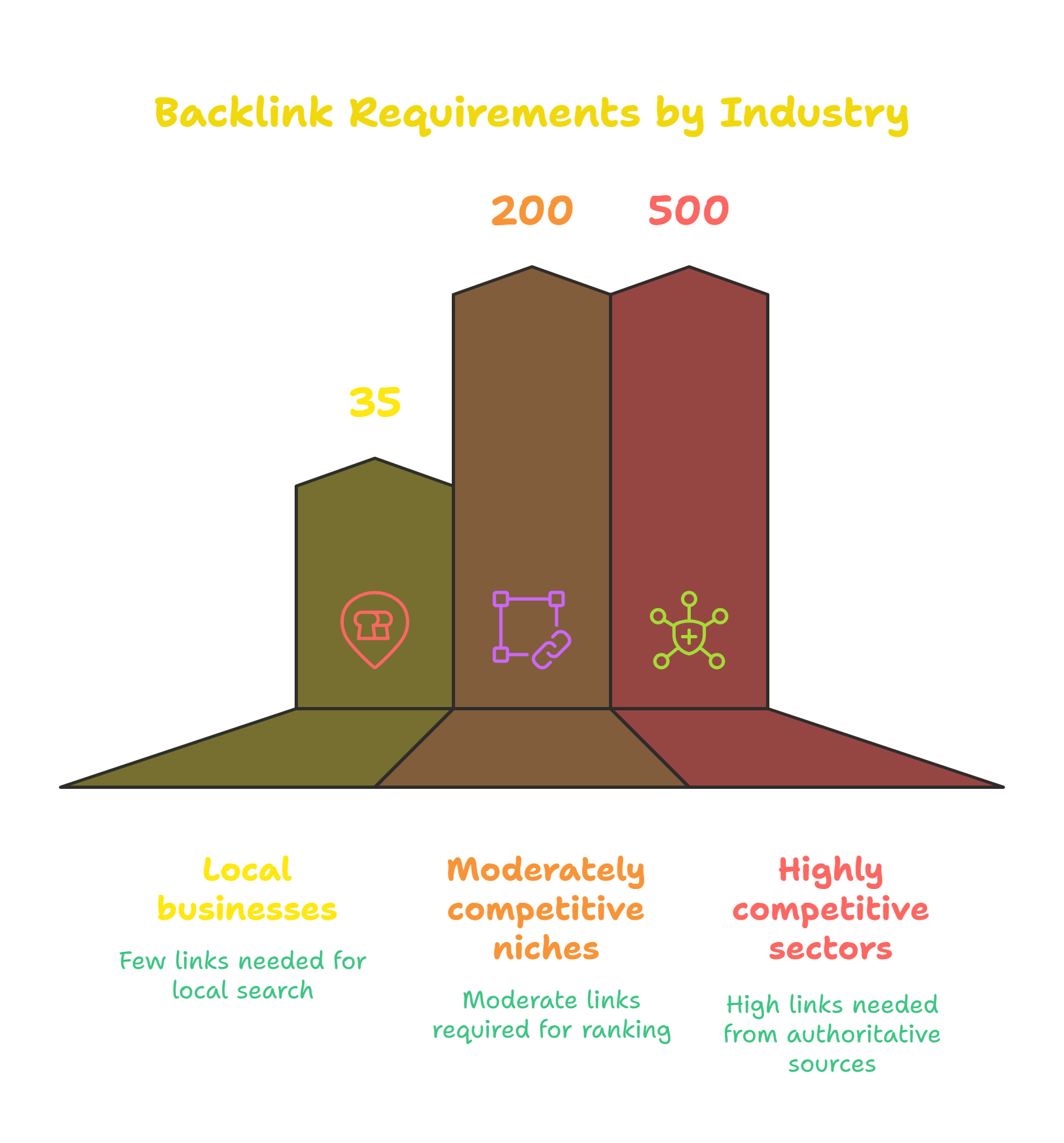
Different industries have vastly different backlink thresholds:
- Local businesses: 20-50 quality links can often secure top positions in local search
- Moderately competitive niches: 100-300 links may be necessary
- Highly competitive sectors (finance, insurance, real estate): 500+ links from authoritative sources
Your first step? Check what's working for top-ranking competitors in your specific niche. Tools like Ahrefs or Semrush make this analysis straightforward.
New Sites vs. Established Domains
A brand-new website I launched last year needed a patient, steady approach. Fresh domains lack the trust and history that Google values, so each new backlink carried significant weight.
For newer sites, focus on:
- Building 5-10 high-quality links monthly
- Diversifying anchor text naturally
- Prioritizing relevant industry connections
Meanwhile, established sites with existing authority can often rank with fewer new backlinks for additional keywords. I've seen 10-year-old domains rank for moderately competitive terms with minimal new link building, riding on their accumulated trust.
Competition Determines Your Target
Last summer, I compared two clients selling similar products but targeting different keywords. The first needed roughly 30 quality backlinks to reach page one. The second, targeting more competitive terms, required over 200 links of similar quality.
This disparity perfectly illustrates why any discussion about backlink numbers must consider competitive analysis:
- Identify your top 3-5 competitors for your target keywords
- Analyze their backlink profiles (quantity, quality, and link velocity)
- Set your targets slightly above the average of those ranking on page one
Remember, you're not building links in a vacuum – you're competing in a specific ecosystem with its own unwritten rules.
Content Quality Affects Backlink Requirements
My favorite example comes from a travel blog I worked with. Their comprehensive 4,500-word guide on hidden Italian villages earned 35 natural backlinks within two months. Meanwhile, their shorter, less detailed posts struggled to earn any links despite active outreach.
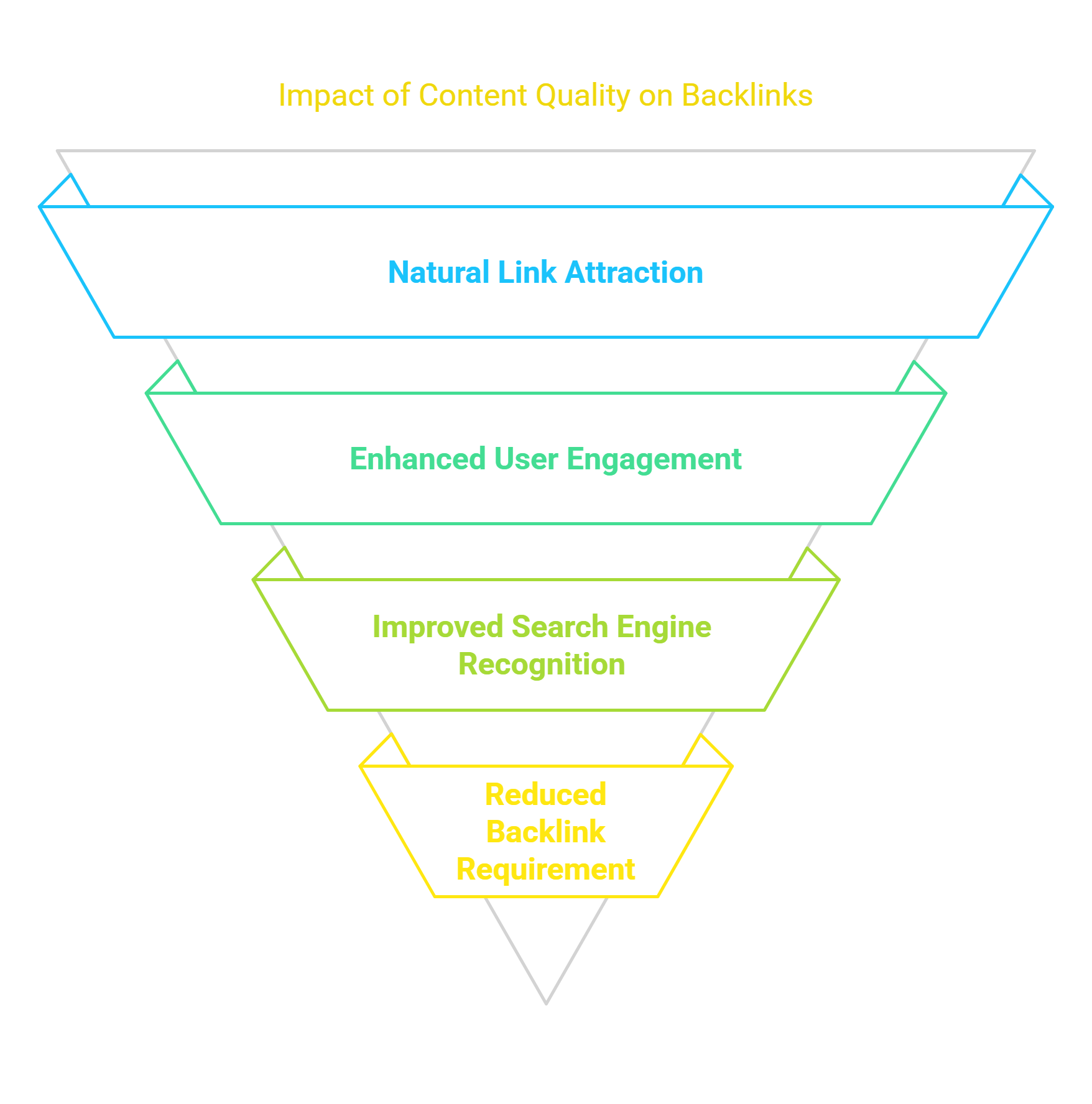
Exceptional content can dramatically reduce the number of backlinks needed because:
- It naturally attracts links without extensive outreach
- Search engines recognize user engagement signals
- Quality content converts better even with less traffic
I've consistently seen outstanding content rank with 30-40% fewer backlinks than mediocre content targeting the same keywords.
The Velocity Factor
A critical factor often overlooked is link velocity – how quickly you acquire backlinks. I once witnessed a client's rankings plummet after they purchased 200 links in a single week, something their link profile history couldn't justify.
Natural link profiles typically show:
- Steady growth over time
- Occasional spikes from noteworthy content
- Seasonal patterns relevant to the industry
For most websites, acquiring 5-15 quality links monthly represents a sustainable pace that avoids triggering algorithm suspicions.
Focus on These Metrics Instead of Raw Numbers
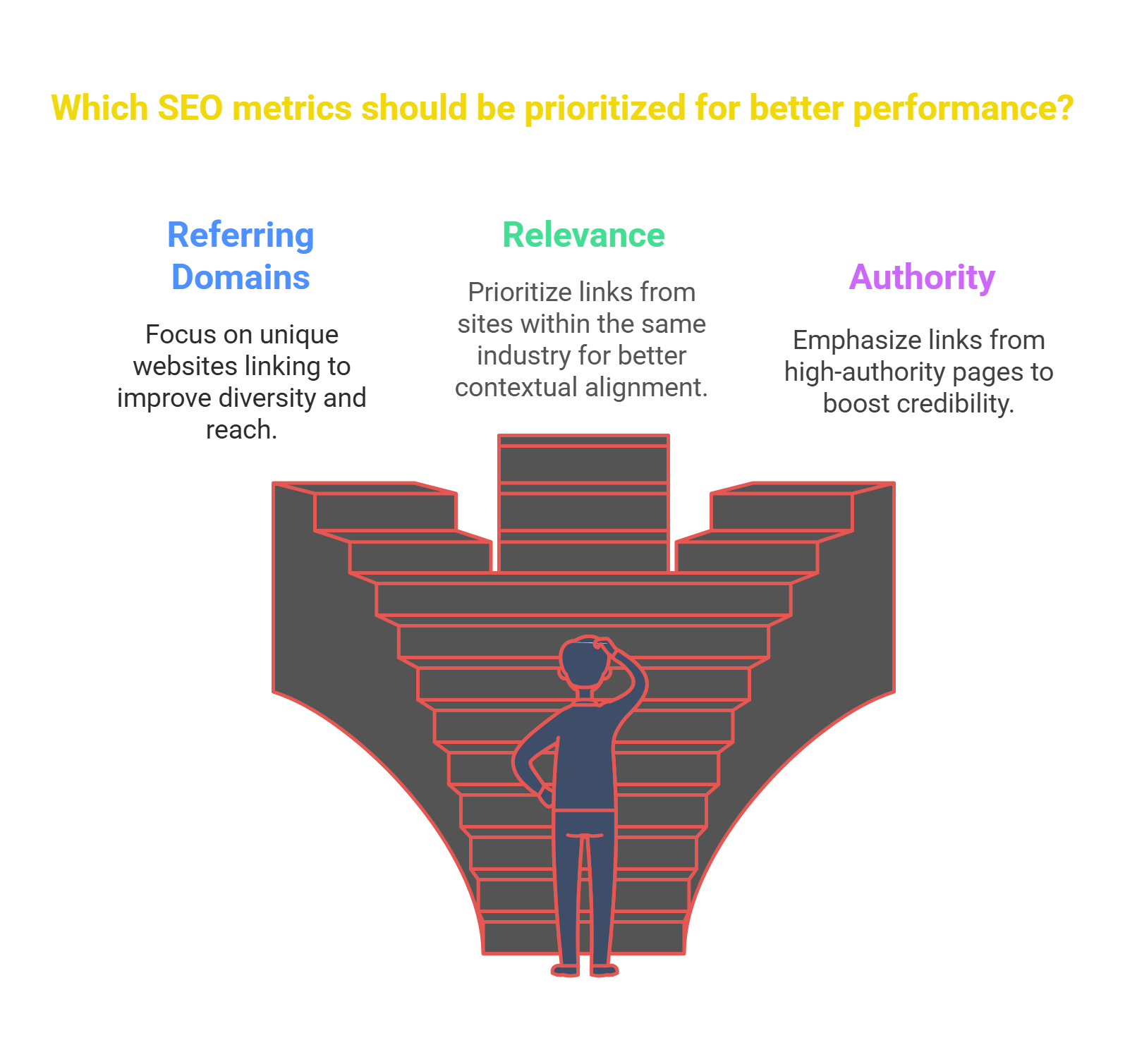
After years of obsessing over backlink counts, I've shifted my focus to these more meaningful metrics:
- Referring domains (unique websites linking to you) matter more than total backlinks
- Relevance of linking sites to your industry
- Authority of linking pages (not just domain authority)
- Link placement – contextual links within content outperform sidebar or footer links
- Traffic potential from referral sources
A site with 50 backlinks from 50 different relevant, authoritative domains will typically outperform a site with 200 links from just 15 domains.
Final Thoughts
The question isn't really "how many backlinks?" but rather "what kind of backlinks from where, and at what pace?"
For most websites, starting with a goal of 50-100 quality backlinks from relevant domains provides a solid foundation. Adjust upward based on competitor analysis for your specific keywords, and remember that exceptional content can help you rank with fewer links.
My most successful clients stopped chasing arbitrary backlink numbers years ago. Instead, they focused on building genuine relationships within their industry, creating truly valuable content, and earning links that drive both rankings and referral traffic.
The backlinks that matter most aren't just stepping stones to higher rankings – they're partnerships that deliver lasting value beyond SEO.
FAQs
1. How many backlinks do I need to rank on Google?
The number of backlinks you need depends on various factors such as the competition of your keywords, the authority of your website, and the niche you're targeting. For low-competition keywords, 10-50 high-quality backlinks may suffice, while for highly competitive industries, you might need 200+ backlinks to rank well.
2. How do backlinks impact SEO?
Backlinks signal to search engines that your content is valuable and trustworthy. High-quality backlinks can boost your site's domain authority, improve search rankings, and drive organic traffic from referring sites. The more authoritative and relevant the backlinks, the stronger the SEO benefits.
3. What types of backlinks are most valuable?
Editorial backlinks (from high-authority sites), guest post backlinks, and resource page backlinks are some of the most valuable types of backlinks. These come from trusted, relevant sites and significantly boost your SEO. Social media and directory backlinks provide some value, but they are not as powerful on their own.
4. How can I monitor my backlink profile?
You can monitor your backlink profile using tools like BacklinkBot.ai, which help track the quality and health of your backlinks. By regularly checking, you can evaluate their impact on your SEO performance and adjust your strategy as needed.
5. Should I focus on backlink quantity or quality?
Quality is far more important than quantity when it comes to backlinks. A few high-quality backlinks from authoritative websites in your niche are much more valuable than hundreds of low-quality or irrelevant links. Always prioritize acquiring high-authority, relevant backlinks for the best SEO results.