How Many Backlinks Do I Need to Rank?
I've been asked this question hundreds of times by website owners desperate to climb the Google rankings. Everyone wants a simple answer, but here's the tough truth I've learned after years in the SEO trenches: there's no magic number.
If you're hoping I'll say "build exactly 47 backlinks and you'll rank #1," I'm about to disappoint you. But stick with me, because I'm going to share what actually works based on real websites I've helped rank.
What Actually Determines Your Backlink Needs
When my agency took on a local dentist's website last year, we only needed to build 12 quality links to dominate their local search terms. Yet for a national financial services client, we're still building links after crossing the 200 mark.
Here's why the numbers vary so wildly:
Your Competition Sets the Bar
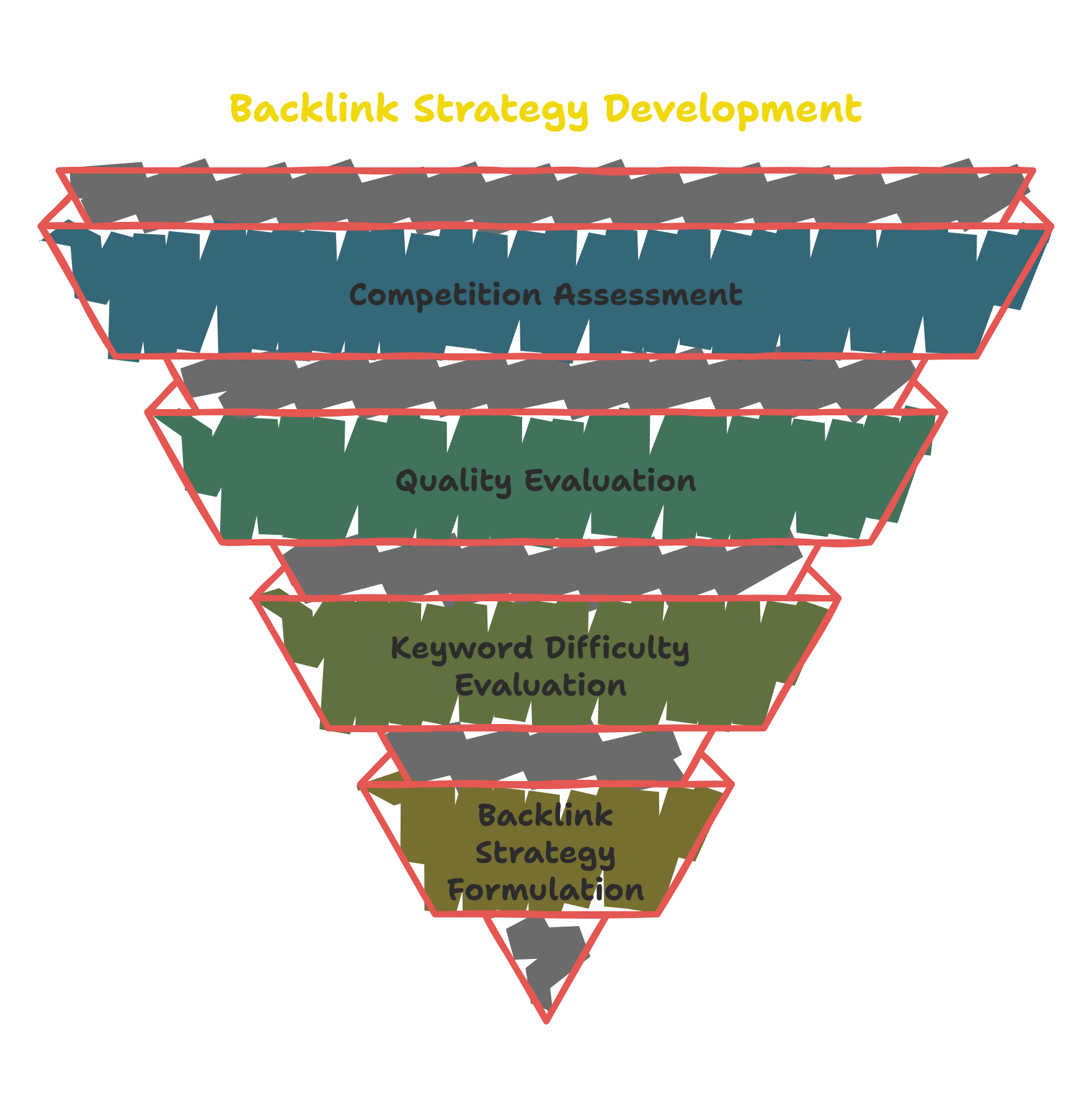
Before starting any link building campaign, I pull up the top 10 results for my target keyword and analyze their backlink profiles. This gives me the clearest picture of what we're up against.
Last month, I was working on ranking a client for "sustainable office furniture." The top three results had 28, 43, and 19 quality backlinks respectively. This gave us a concrete target: we needed about 30-40 solid links to compete.
Don't guess at your backlink needs - spy on whoever's already ranking.
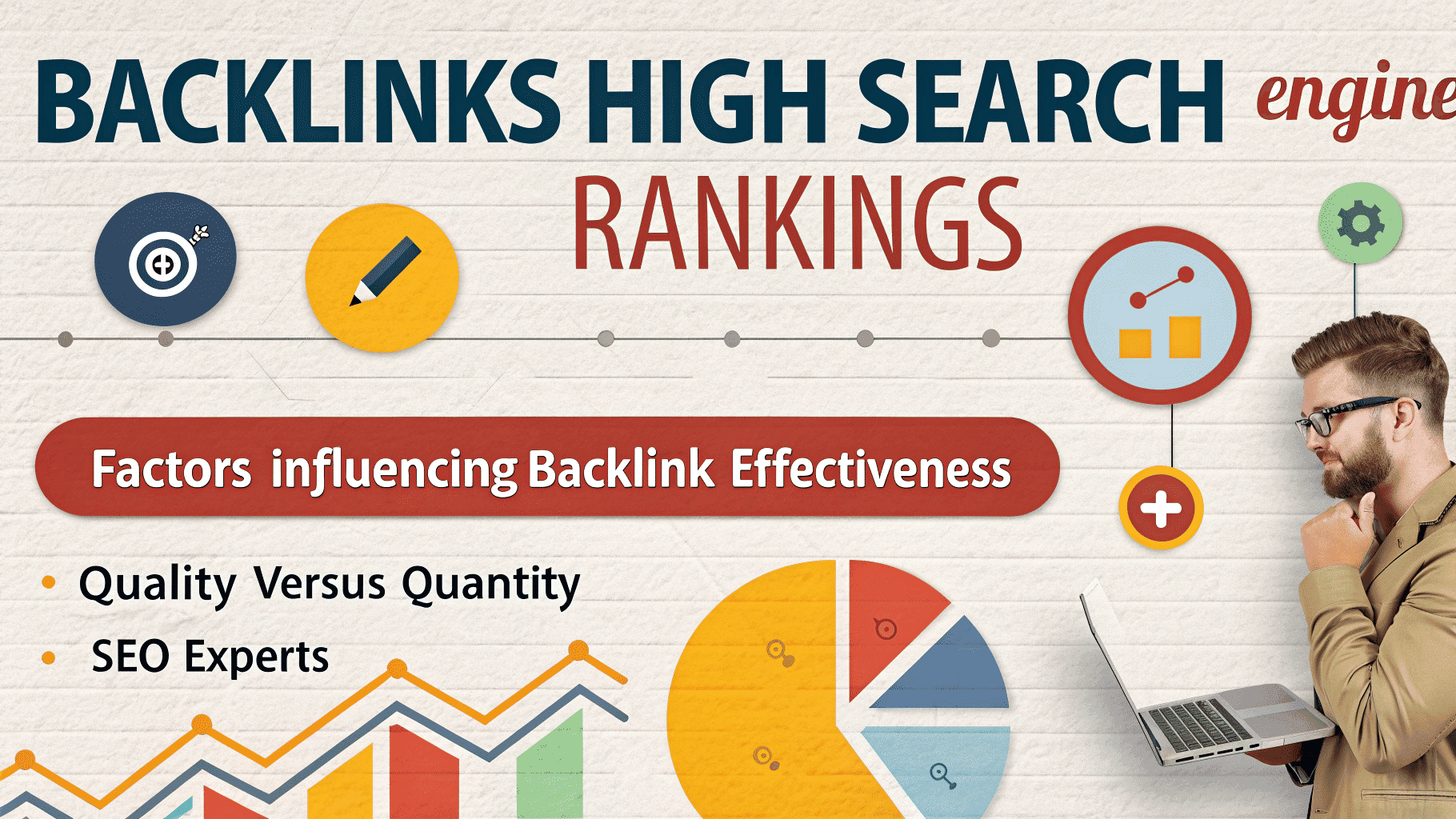
Quality Crushes Quantity Every Time
I once worked with a site that had over 500 backlinks but couldn't rank for anything valuable. Why? Most links came from blog comments, forums, and other low-value sources.
Meanwhile, one of my e-commerce clients scored a single link from The New York Times and jumped 27 positions for their main keyword. That's the power of quality.
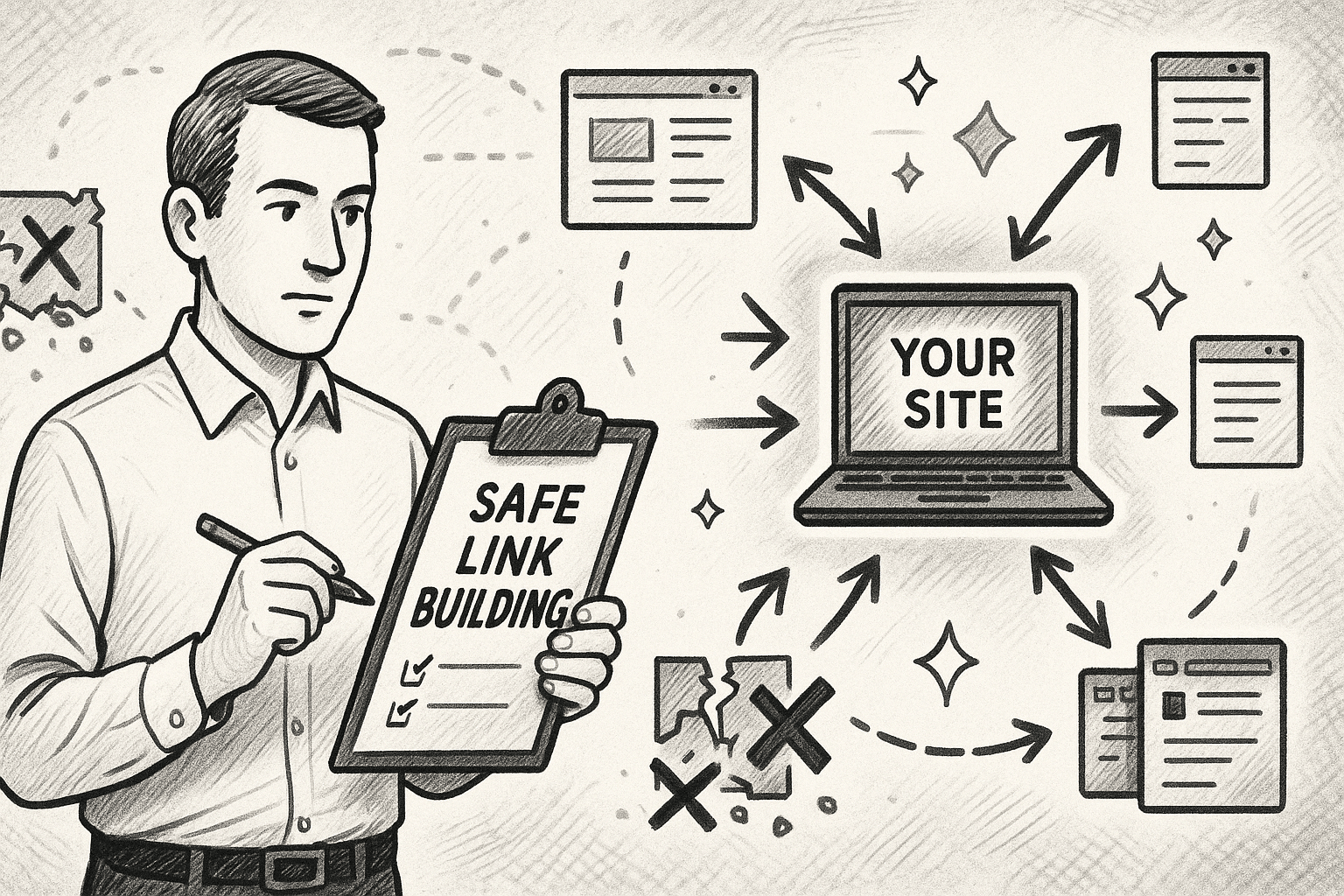
When evaluating a potential backlink, I ask:
- Is this site relevant to my industry?
- Would real people actually visit this website?
- Does the site link out to sketchy neighborhoods of the internet?
- Is this link likely to send actual referral traffic?
One "yes" link beats twenty "no" links every time.
Keyword Difficulty Changes Everything
For keywords with low competition, sometimes just basic on-page SEO and a handful of decent links will do the trick. I've ranked pages with as few as 5-10 good links for long-tail terms.
But try ranking for "insurance quotes" or "best credit cards" and you're looking at needing hundreds of high-quality links just to get in the game.
Most SEO tools provide a keyword difficulty score - while not perfect, these give you a rough idea of what you're up against.
Rough Guidelines That Help
Based on hundreds of ranking campaigns, here's what I typically see working:
Low-Competition Terms (Local businesses, niche topics):
- Usually 5-20 quality links
- Focus on local directories, chamber of commerce, industry associations
- Can often rank within 2-3 months
Medium-Competition Terms (Growing industries, specific products):
- Typically 20-75 quality links
- Need links from industry publications, relevant blogs, resource pages
- Expect 4-8 months of consistent effort
High-Competition Terms (Insurance, loans, major product categories):
- 100+ quality links minimum
- Require links from major publications, authoritative sites
- Plan for 12+ months of serious link building.
How To Build Those Links
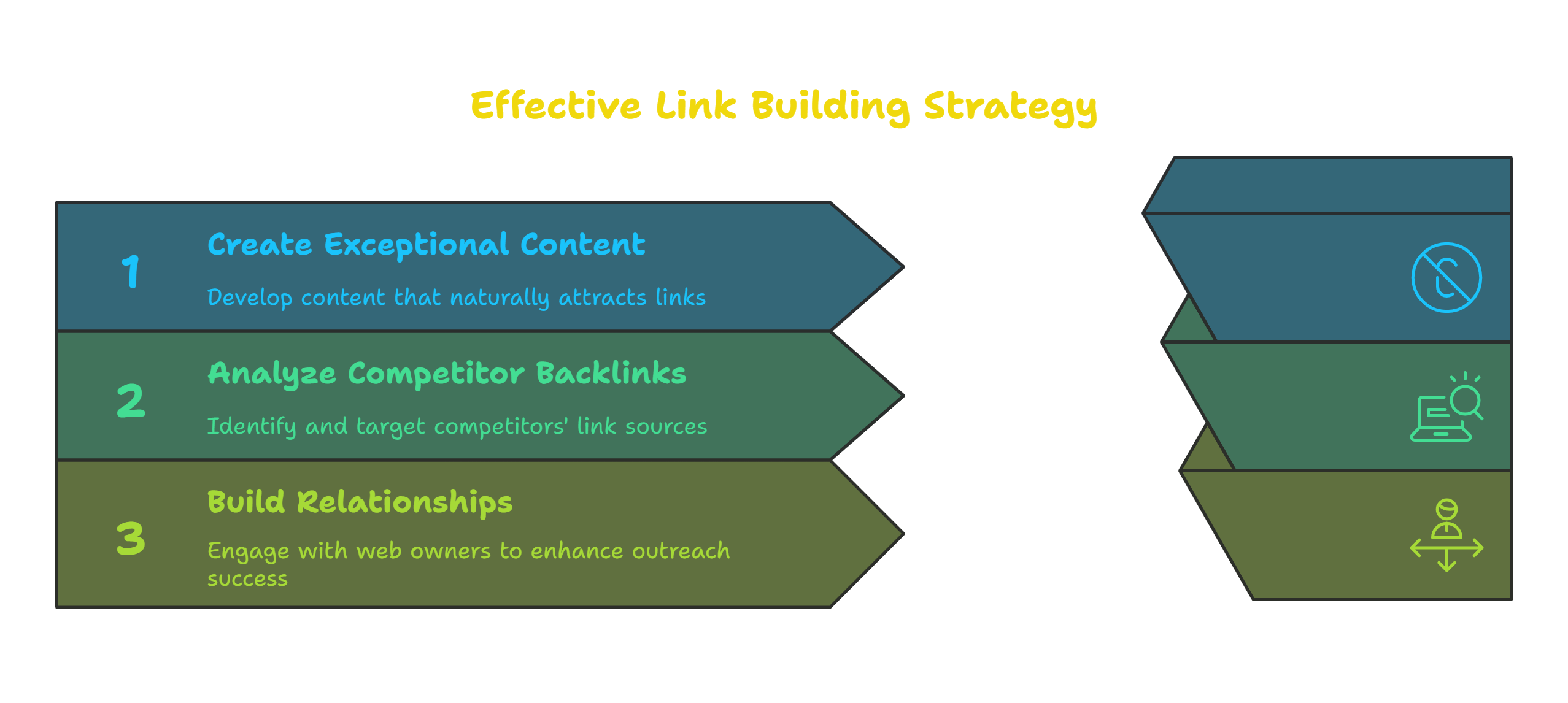
Now that you have a ballpark target, here's what has actually worked for me:
Create Something Worth Linking To
My most successful link building campaigns always start with creating exceptional content. Last year, we created an industry report for a SaaS client that naturally earned 34 backlinks in the first month.
Ask yourself: "Would I link to this if I wasn't affiliated with the company?" If the answer is no, make something better.
Mine Your Competitors' Backlinks
I recently helped a fitness equipment site gain 17 new backlinks by looking at where their competitors were getting links and then reaching out to those same websites. Many were happy to include my client as an additional resource.
Tools like Ahrefs or Semrush make this process straightforward - look for patterns in who's linking to multiple competitors.
Build Relationships, Not Just Links
Cold outreach has a success rate of about 2-3% in my experience. But when I've taken the time to build relationships with website owners and journalists through Twitter or LinkedIn before pitching, that jumps to nearly 30%.
Conclusion
Building the right backlink profile requires understanding your specific competitive landscape rather than chasing arbitrary numbers. Focus on quality, relevance, and natural link acquisition. A strategic approach targeting the right sites will yield better results than a scattershot method acquiring hundreds of low-quality links. Remember: backlinks are a means to an end—helping users find your valuable content.
FAQs
-
How quickly will new backlinks improve my rankings?
Most quality backlinks take 4-8 weeks to show ranking improvements. Some high-authority links might impact rankings within days, while others may take months to fully influence your position.
-
Should I focus on getting backlinks from high DA sites only?
While high DA sites are valuable, relevance matters more. A moderately authoritative site in your exact niche often provides more ranking power than an unrelated high-authority site.
-
Are social media links valuable for SEO?
Social media links are typically nofollow and don't directly pass ranking power. However, they increase content visibility, which can lead to natural backlinks from other sites.
-
How do I know if a backlink is hurting my site?
Toxic backlinks often come from low-quality directories, foreign gambling sites, or content farms. If you notice ranking drops after acquiring specific links, consider disavowing them.
-
Should I use the same anchor text for all my backlinks?
No. Vary your anchor text naturally. Using the exact same keyword-rich anchor text across multiple links appears manipulative and could trigger Google penalties.