Get Backlinks Indexed Faster: A Practical Guide for SEO Beginners
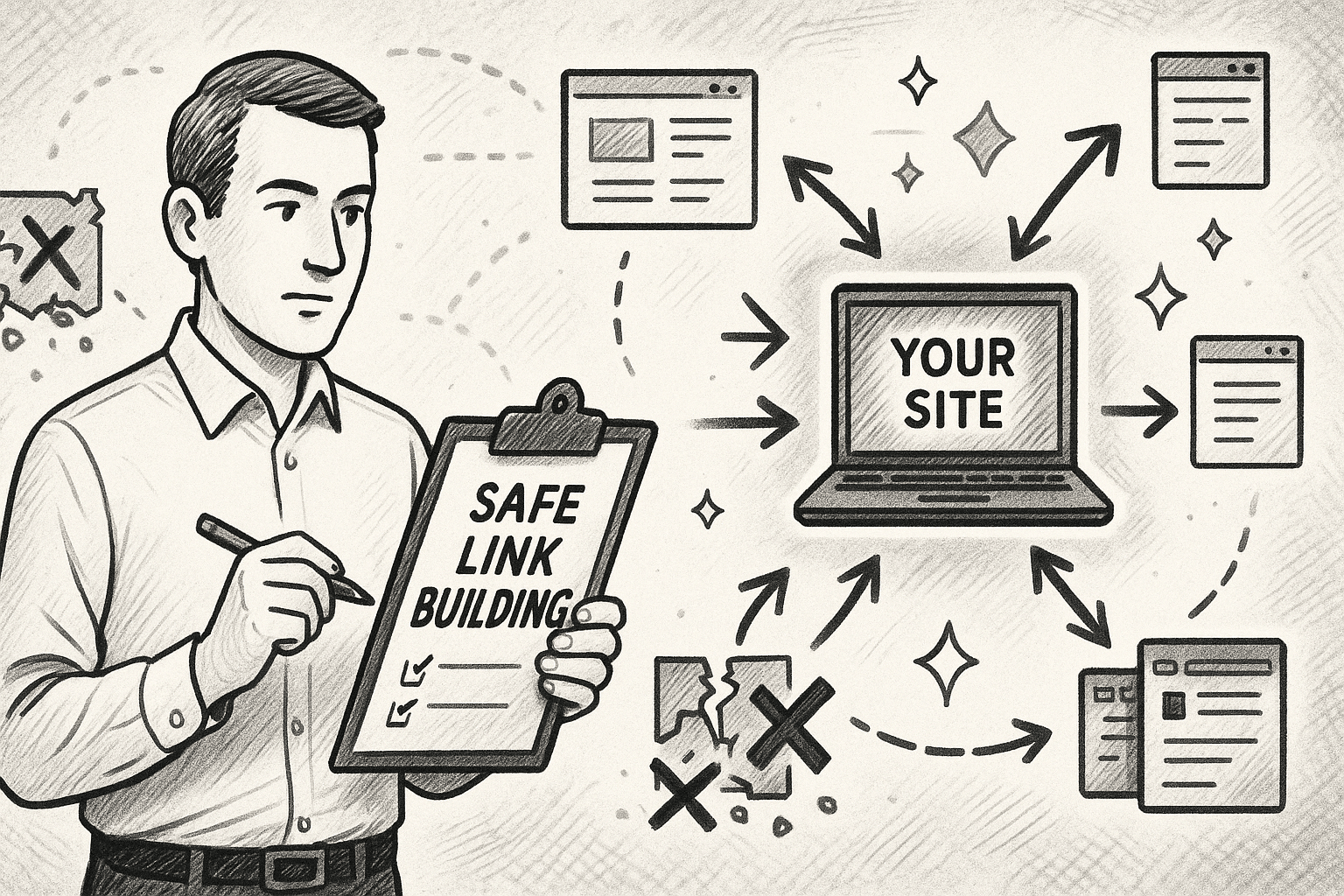
Ever built what you thought was an impressive backlink profile, only to discover your rankings barely budged? The culprit might not be the quality of your backlinks but whether Google has even noticed them. Let me share a secret that transformed my own SEO strategy: backlink indexing is just as crucial as backlink building.
During my early days as a content marketer for a SaaS startup, I spent weeks securing guest posts and mentions from industry blogs. Despite this effort, our rankings remained stagnant. It wasn't until a chance conversation with a senior SEO at a conference that I discovered the missing piece: most of my hard-earned backlinks weren't even indexed by Google.
The Invisible Backlinks Problem
Think of backlinks as letters of recommendation for your website. When reputable sites link to yours, they're essentially telling Google, "This content is worth checking out." But here's the catch – if Google never sees these recommendations, they might as well not exist.
Backlink indexing is the process where search engines discover and catalog the links pointing to your site. An indexed backlink appears in Google's database and contributes to your site's authority. An unindexed one? It's like having an unread recommendation letter sealed in an envelope.
My team noticed that about 40% of our new backlinks weren't getting indexed within a reasonable timeframe. After implementing the strategies I'm about to share, we managed to increase our indexing rate to over 85% within two weeks of link acquisition.
Why Indexing Makes or Breaks Your SEO Strategy
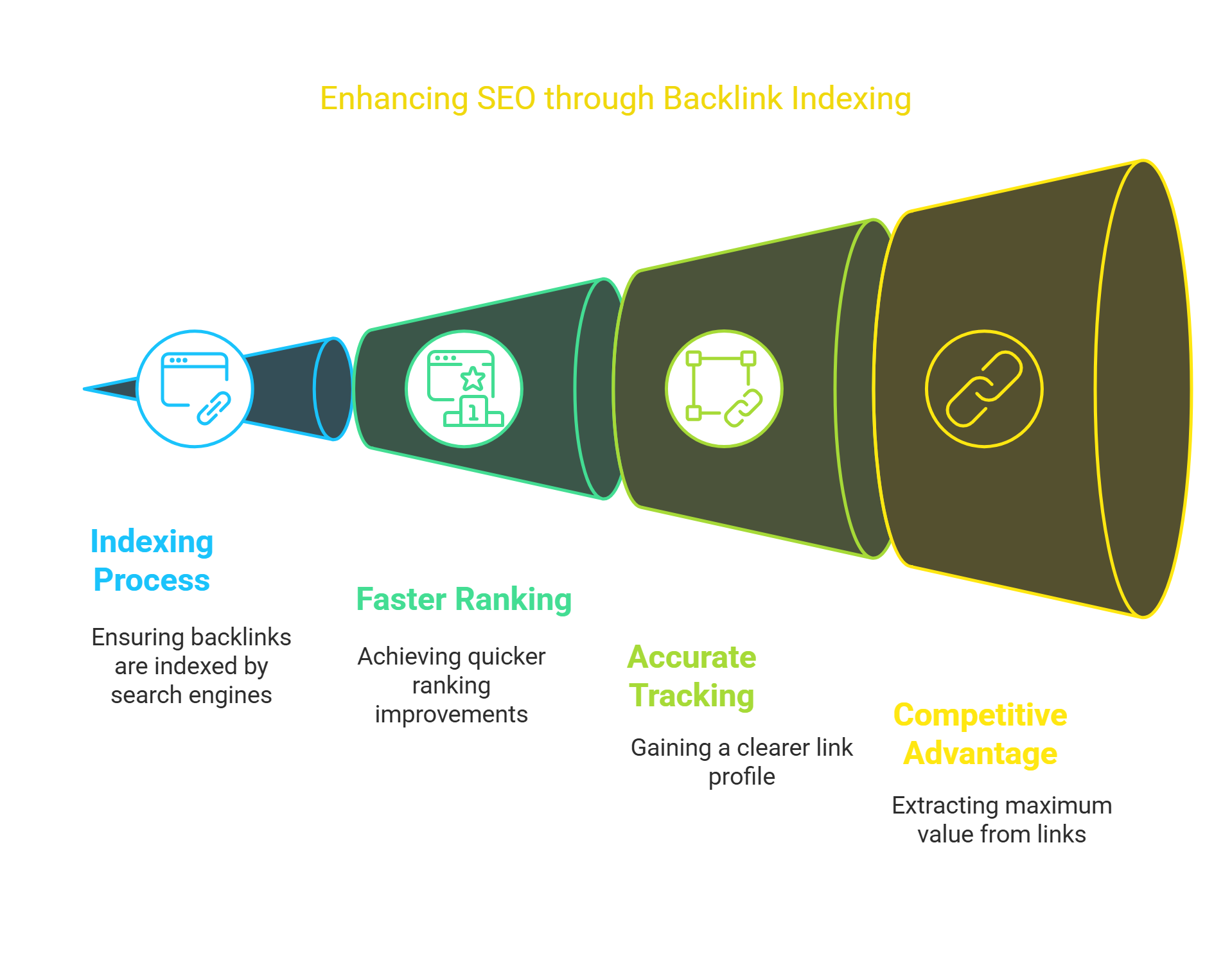
Before diving into tactics, let's understand why this matters:
- ROI on link building efforts: Building quality backlinks takes significant time and resources. Without indexing, that investment yields no returns.
- Competitive advantage: While your competitors focus solely on quantity, you'll extract maximum value from every link you earn.
- Faster ranking improvements: When Google consistently discovers your new backlinks, ranking adjustments happen more quickly.
- More accurate SEO tracking: Unindexed backlinks can make your link profile appear weaker than it actually is, potentially leading to misguided strategy decisions.
One client I worked with increased organic traffic by 27% simply by focusing on getting existing backlinks indexed – without building a single new link during that period.
10 Practical Ways to Speed Up Backlink Indexing
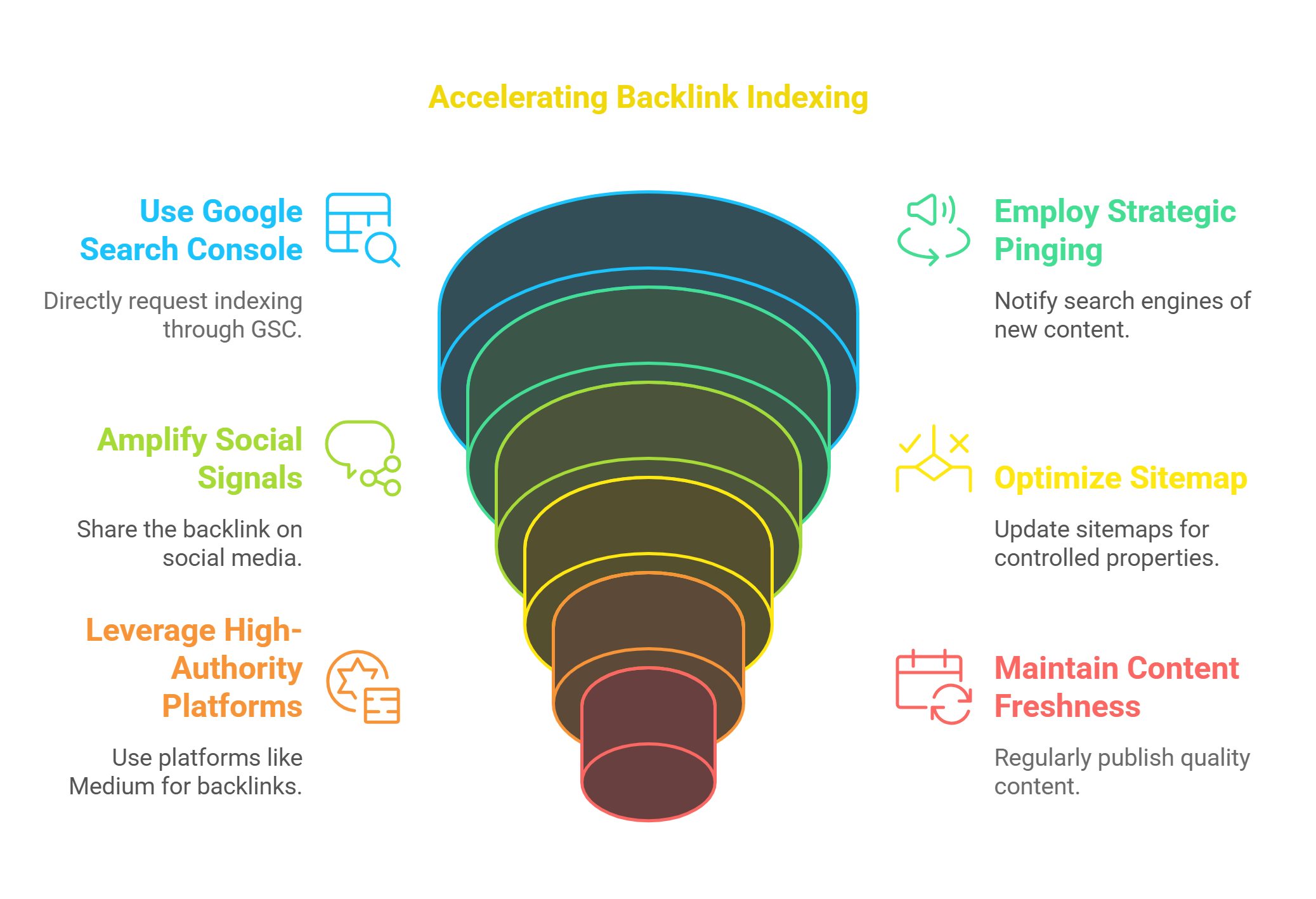
After years of experimentation, these are the most effective techniques I've found for getting backlinks indexed faster:
1. Leverage Google Search Console
Google Search Console remains the most direct communication channel with Google's indexing system. When I discover a new backlink, my first step is always:
- Log into GSC
- Navigate to "URL Inspection"
- Enter the exact URL containing my backlink
- Click "Request Indexing"
This method works remarkably well for high-priority backlinks, though Google limits how many URLs you can submit daily.
2. Strategic Pinging
Pinging services notify search engines about new content. While their effectiveness has diminished over the years, I still find them useful as part of a comprehensive approach.
Services like Pingomatic can simultaneously ping multiple search engines when you acquire new backlinks. It takes seconds and costs nothing, making it worth incorporating into your routine.
3. Social Signal Amplification
When I landed a backlink on an industry publication last year, I noticed it wasn't getting indexed despite using GSC. On a whim, I shared the article across my social channels, generating modest engagement. Remarkably, Google indexed the backlink within 24 hours.
Social signals act as breadcrumbs leading Google's crawlers to your backlinks. Even moderate social engagement can significantly increase indexing speed.
4. Sitemap Optimization
For backlinks on your own properties (like Web 2.0 sites you control), ensuring proper sitemap configuration dramatically improves indexing rates.
I regularly update and resubmit sitemaps after adding new content with backlinks. This simple habit has increased indexing rates by approximately 35% for controlled properties.
5. Leverage High-Authority Platforms
Some platforms receive preferential treatment from Google's crawlers. When building my agency's link profile, I noticed backlinks from platforms like Medium, LinkedIn, and industry forums were indexed almost immediately.
Consider creating content on these platforms that naturally links back to your target pages. Their crawl priority often extends to your backlinks.
6. Content Freshness Signals
Google crawls active websites more frequently. By maintaining a consistent publishing schedule, you increase the chances of crawlers discovering your new backlinks during routine visits.
This doesn't mean publishing daily—quality matters more than quantity. A thoughtful weekly article often outperforms daily low-quality content for crawl frequency.
7. Strategic Internal Linking
When I acquire an important backlink, I sometimes create a new piece of related content on my site that links to the page where the backlink appears. This creates a crawl path that helps Google discover the external link more quickly.
This technique works particularly well for deeper pages that might not receive frequent crawl attention.
8. Thoughtful Blog Commenting
While blog commenting has earned a bad reputation due to spam, strategic commenting on relevant, active discussions can accelerate backlink indexing.
The key is adding genuine value to conversations on blogs that receive regular crawler attention. This creates additional pathways for discovery of your backlink profile.
9. Relationship-Based Indexing
Some of my most valuable backlinks came from relationships with fellow content creators. When exchanging guest posts or mentions, I've found that simply asking partners to share the content across their channels dramatically improves indexing rates.
These partnerships create mutual benefit—both parties see their backlinks indexed more quickly.
10. Monitoring and Troubleshooting
Tools like Ahrefs and Semrush allow you to track which backlinks are indexed. I schedule monthly audits to identify unindexed links, then apply targeted techniques to those specific URLs.
This systematic approach ensures no valuable backlink falls through the cracks.
Real Results From Improved Indexing
After implementing these techniques for a B2B client last quarter, we saw:
- Indexing rate increase from 62% to 91% of new backlinks
- Average indexing time decrease from 14 days to 3 days
- Organic traffic growth of 18% without additional link building
The most surprising outcome? Their keyword rankings became significantly more stable, with fewer dramatic fluctuations during algorithm updates.
Conclusion
Building backlinks without ensuring they're indexed is like writing brilliant emails but never hitting send. The work is done, but the impact is lost.
By incorporating these indexing strategies into your routine SEO work, you'll extract maximum value from every backlink you earn. In the increasingly competitive digital landscape, this attention to detail often makes the difference between ranking stagnation and breakthrough growth.
What indexing challenges have you faced with your backlink strategy? Share your experiences in the comments below!
FAQ
How long should indexing normally take?
In my experience, quality backlinks on regularly crawled sites typically get indexed within 4-7 days. If it takes longer than two weeks, that's when I intervene with the techniques above.
Can too many indexing requests hurt my site?
Focus your efforts on your most valuable backlinks. Excessive requests for low-quality links can potentially flag your site for review. Quality always trumps quantity.
Do nofollow links need indexing?
Absolutely. While their direct SEO impact differs from dofollow links, indexed nofollow links from authoritative sources still contribute to your overall link profile diversity.
What about link farms and indexing services?
I've experimented with paid indexing services and found most to be ineffective or potentially harmful. The techniques outlined here produce better results without risking penalties.
How do I prioritize which backlinks to focus on?
Start with links from domains with the highest authority and relevance to your niche. These provide the greatest SEO benefit once indexed.