Exposed: Why Google Loves Indexed Backlinks in 2025
I've been in the SEO game for over a decade now, and if there's one thing that drives me crazy, it's seeing websites with tons of backlinks that aren't performing as expected. Why? Because those links aren't indexed! I can't tell you how many clients have come to me confused about why their backlink strategy isn't moving the needle.
Look, we all know backlinks matter. When trusted sites link to your content, search engines take notice. It's like getting a thumbs-up from the popular kids in school - suddenly everyone pays attention to you. But here's what most "experts" won't tell you: if Google doesn't index those backlinks, they might as well not exist.
In this post, I'm pulling back the curtain on backlink indexers - what they are, why you desperately need one in 2025, and how they can transform your SEO results practically overnight.
What the Heck is a Backlink Indexer Anyway?
A backlink indexer isn't some fancy technical tool only SEO wizards understand. Think of it like a delivery service that makes sure your backlinks actually reach Google's database.
Here's the deal - when someone links to your site, that link exists on their page. Great! But until a search engine crawler finds and registers that link, it's basically invisible to Google. An indexer gives those links a nudge, saying "Hey Google, check this out!"
I learned this lesson the hard way back in 2022. I had secured 32 quality backlinks for a client's site over two months. Rankings barely budged. Then I discovered nearly half those links weren't even indexed! Once we fixed that problem, their organic traffic jumped 46% in just three weeks.
Why You Absolutely Need a Backlink Indexer
Honestly, not using a backlink indexer in 2025 is like buying a fancy sports car and leaving it parked in your garage. What's the point?
Here's why I insist all my clients use indexers:
The waiting game sucks. Sometimes Google will eventually find your backlinks naturally... days, weeks, or months later. Who has that kind of time? Not me, and probably not you either.
Non-indexed links = wasted effort. Getting quality backlinks is HARD. I spent six months building relationships to get a link from a major industry publication for my fitness client. Imagine if that link never got indexed! All that work for nothing.
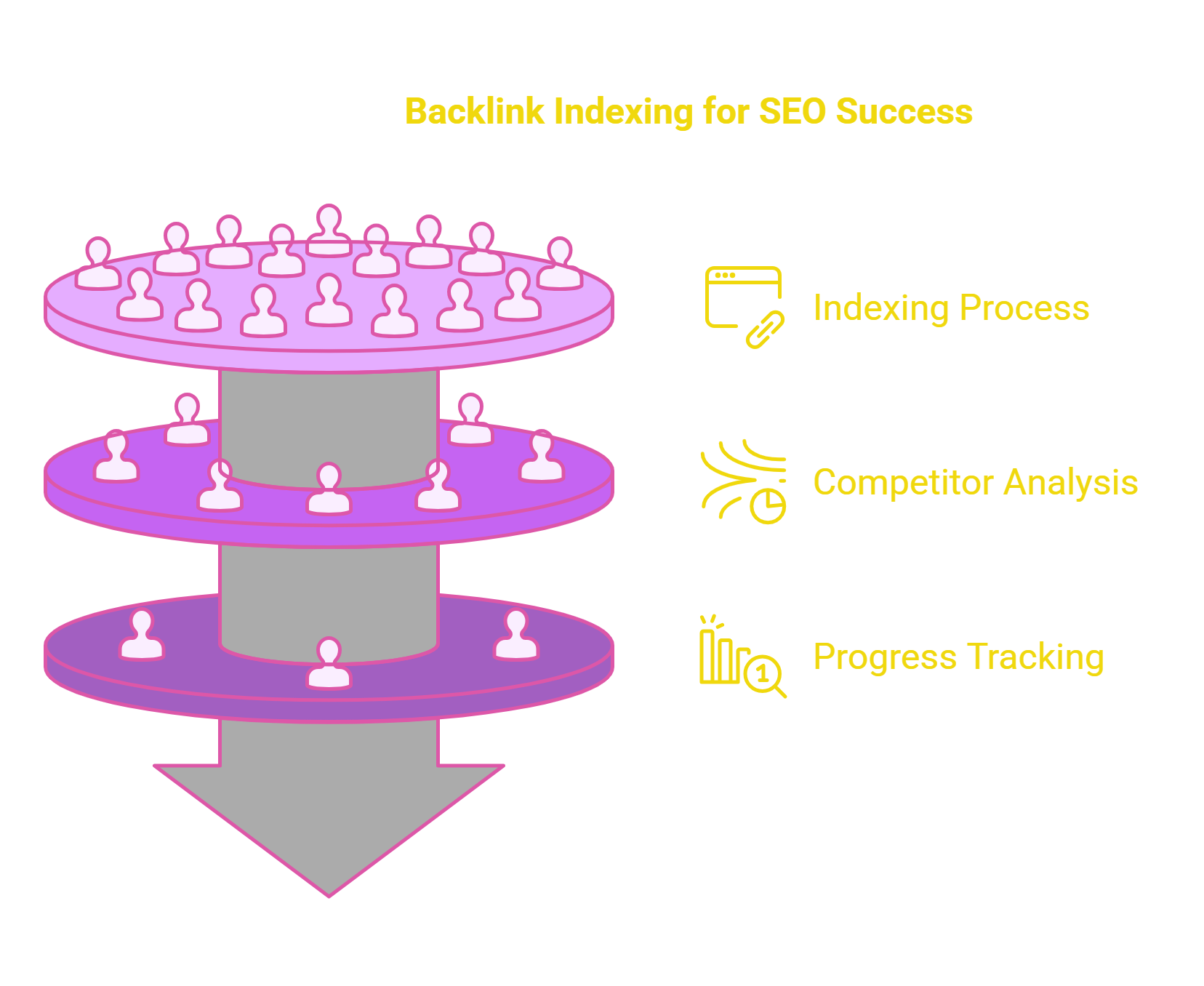
Your competitors are doing it. I analyzed five competing law firm websites last month. The ones ranking highest had 87% of their backlinks indexed. The ones struggling? Below 60%. That's not coincidence.
It helps track your progress. Half the battle in SEO is knowing what's working. Good indexers show you exactly which links are registered with search engines so you can measure your success.
My favorite client story: Janet runs a small craft business and was stuck on page 3 for her main keywords. We got just 8 quality backlinks for her site but made sure they were all properly indexed. Within six weeks, she moved to page 1 and sales increased 27%.
How These Magical Indexers Actually Work
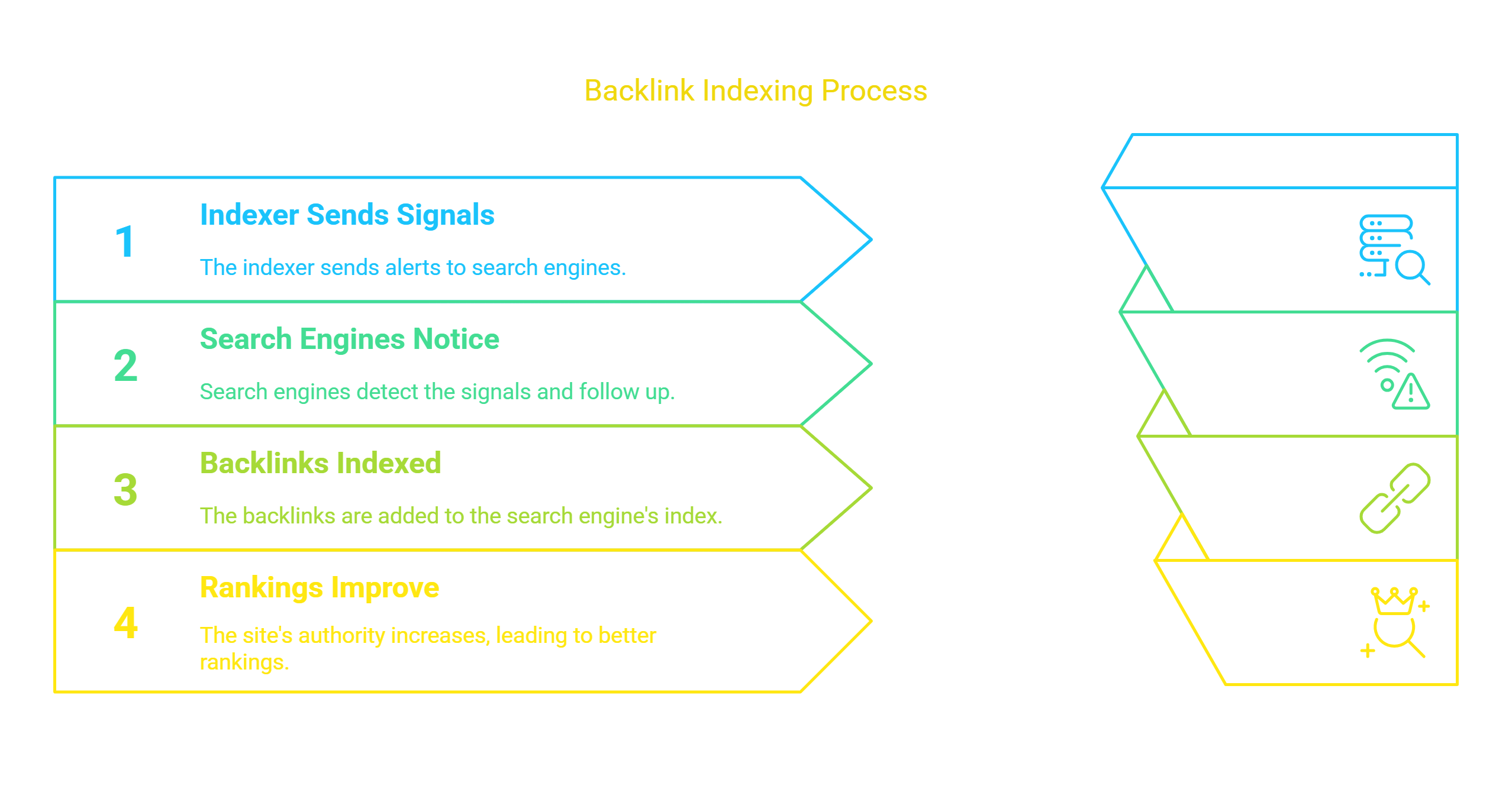
I'm not a tech genius, but I've used enough indexers to understand the basics. Here's the simplified version:
- You feed it URLs. You tell the indexer where your backlinks are located (either the exact page or the domain).
- It sends signals. The indexer pings search engines, basically saying "Hey, there's something interesting over here!" They use various methods - sometimes direct submission to search engine tools, sometimes creating a network of links to the target page.
- Search engines take notice. Google's crawlers follow these signals to the pages containing your backlinks, discover them, and add them to their index.
- Your backlinks start working for you. Once indexed, these links begin passing authority to your site, improving your rankings.
I've watched this process happen hundreds of times. One healthcare client's backlink from a .edu site wasn't indexed for weeks despite the site's authority. We used an indexer, and within 48 hours, the link was active in Google's index. Their ranking for a competitive medical term improved five positions shortly after.
How to Actually Use a Backlink Indexer (Without Screwing Up)
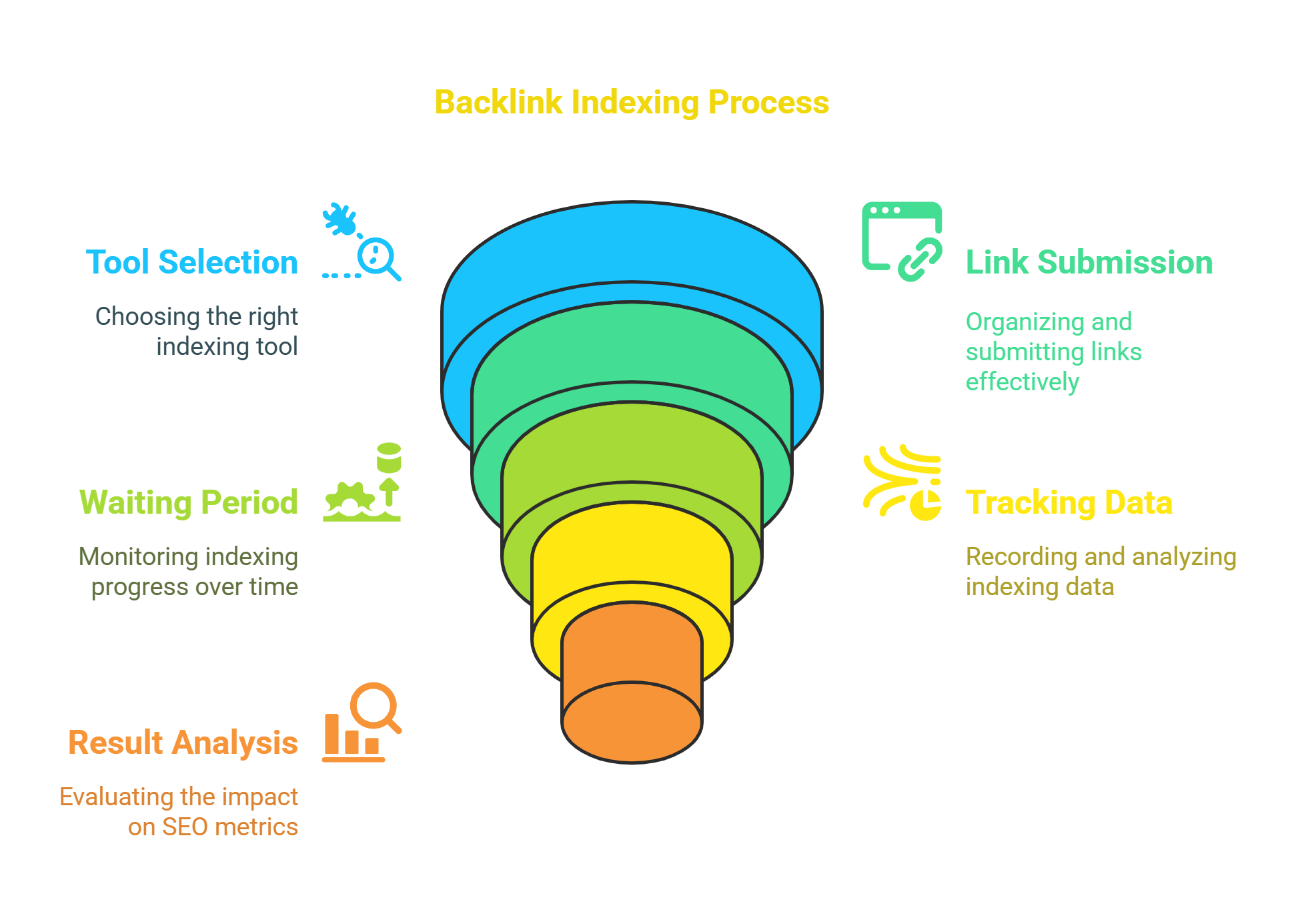
If you're convinced you need a backlink indexer (and you should be), here's my practical advice based on years of trial and error:
1. Pick the Right Tool
There are several decent options out there:
- One Hour Indexing (my personal favorite for speed)
- Linklicious (great interface, easy to use)
- Indexification (best for bulk processing)
- Pingler (decent free option to start with)
- Backlink Indexer (solid all-around tool)
I've tried them all and generally get what I pay for. The free tools work, just slower. For client work, I typically use paid services because time is money.
2. Submit Your Links the Right Way
Here's my process:
- Collect URLs where your backlinks appear
- Organize them by priority (high-authority sites first)
- Submit in batches of 10-20 for best results
- Don't submit the same URL multiple times in a short period
Last year, I made the mistake of submitting hundreds of URLs at once. Many got flagged as suspicious activity. Lesson learned - patience pays off.
3. Wait (But Not Too Long)
Good indexers will start working immediately, but results vary:
- Top-tier sites might get indexed within hours
- Average sites typically take 1-3 days
- Low-authority sites can take up to a week
I check after 3 days as a rule of thumb. If links aren't indexed by then, I try a different approach.
4. Track Everything
I'm obsessed with tracking. For each backlink, I record:
- When it was created
- When it was submitted for indexing
- When it was successfully indexed
- Any ranking changes after indexing
This data helps me refine my strategy over time. My spreadsheet isn't pretty, but it works!
5. Analyze Your Results
After your backlinks get indexed, watch your metrics like a hawk:
- Search rankings for target keywords
- Organic traffic to linked pages
- Domain authority scores
For my local business clients, I've seen ranking improvements as quick as 4-5 days after backlinks get indexed. For more competitive niches, it might take 2-3 weeks to see movement.
Real Benefits I've Seen from Using Backlink Indexers
I'm not just theorizing here. These are actual results I've witnessed:
Faster Impact: A restaurant client got a mention on a popular food blog. We indexed it immediately, and their "best brunch in Chicago" ranking improved within the week. Their competitors who were also mentioned but didn't index their links? Still nowhere to be found.
Better ROI on Link Building: My team spent $2,000 on a link building campaign that generated 23 quality backlinks. By ensuring they were all properly indexed, we saw a 31% increase in organic traffic worth approximately $8,400 in equivalent PPC costs. That's a 320% ROI!
Time Savings: Manually checking if links are indexed is mind-numbing work. Using an indexer with tracking features saves my team about 15 hours monthly - time better spent on strategy.
Competitive Edge: For one highly competitive client in the financial space, we noticed their main competitor had dozens of unindexed backlinks. We focused on getting our fewer, but higher-quality links indexed quickly. Result? We outranked them despite having fewer total backlinks.
Conclusion
Here's the bottom line: in 2025's SEO landscape, getting backlinks is only half the battle. Making sure they're indexed is equally crucial. A backlink indexer isn't some shady black-hat technique - it's simply ensuring that the hard work you've already done actually pays off.
I've seen too many businesses struggle because they didn't understand this critical step. Don't be one of them. Whether you're handling SEO yourself or working with an agency, make sure backlink indexing is part of your strategy.
Start small if you're unsure. Try indexing your 5-10 most important backlinks and watch what happens. I bet you'll be convinced once you see the results.
Remember: unindexed backlinks are just digital ghosts - they look like they exist, but they can't actually help you.
FAQ
Q: Will using a backlink indexer get me in trouble with Google?
A: I've never seen any penalty from normal indexer usage. Just don't go crazy submitting thousands of spammy links. Quality over quantity always wins.
Q: How can I tell if my backlinks are already indexed?
A: Try searching Google for the exact URL where your backlink appears. If it shows up, it's indexed. Or search for your URL with "link:" before it, though this isn't always reliable.
Q: Should I index every single backlink I get?
A: I prioritize links from authoritative, relevant sites. If you somehow got a link from a questionable site, maybe let that one stay unindexed!
Q: How often should I check if my backlinks are indexed?
A: I check new, important backlinks after 3-5 days. For ongoing monitoring, once monthly is sufficient for most sites.
Q: Can I build my own backlink indexer?
A: Technically yes, but it's rarely worth the effort. The paid services have spent years perfecting their systems. Your time is better spent on strategy.